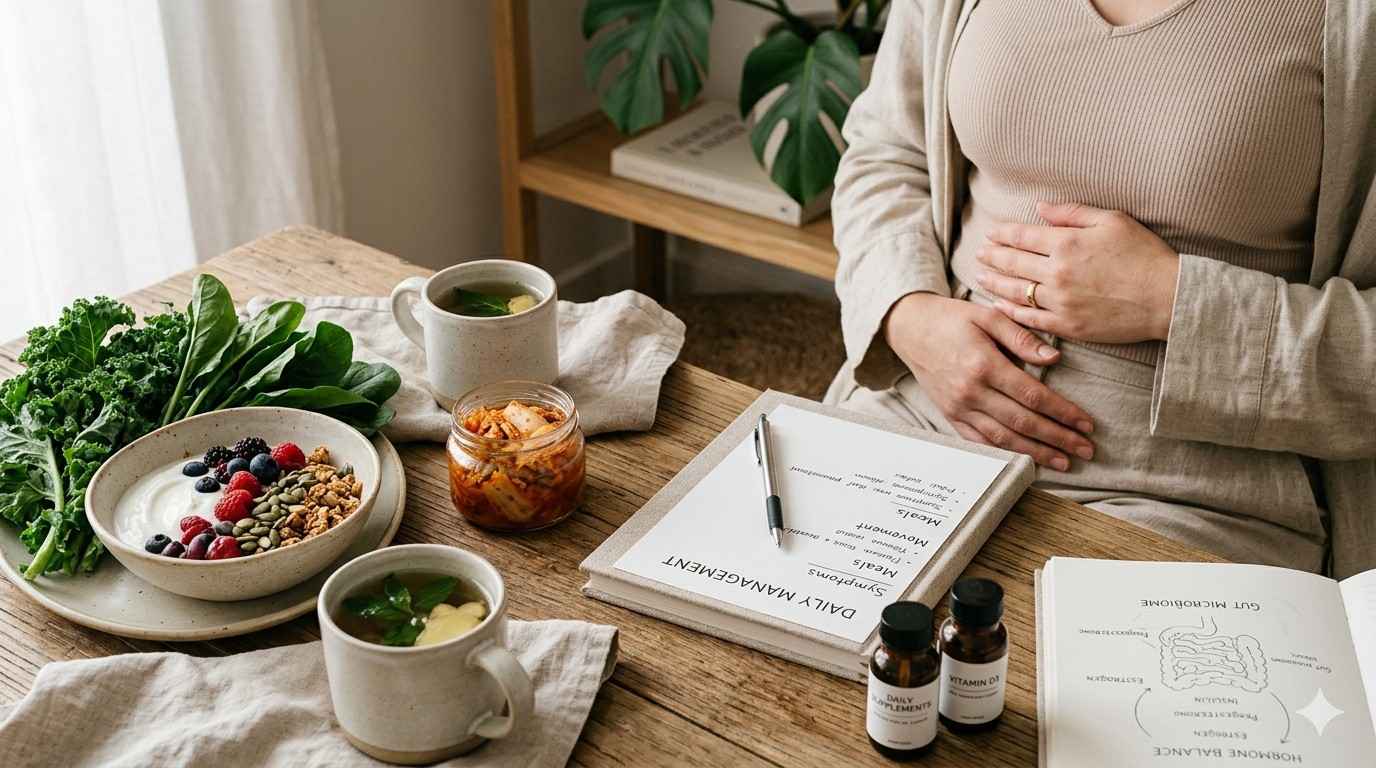
You’ve probably heard someone talk about PCOS (now PMOS), maybe a cousin, a friend, or even your doctor. Increasingly, more and more people are struggling with this issue.
Polycystic Ovary Syndrome (PCOS) is one of the most common hormonal conditions affecting women of reproductive age, yet it is often misunderstood. While irregular periods, acne, weight gain, or excessive hair growth are common symptoms, PCOS goes beyond hormones.
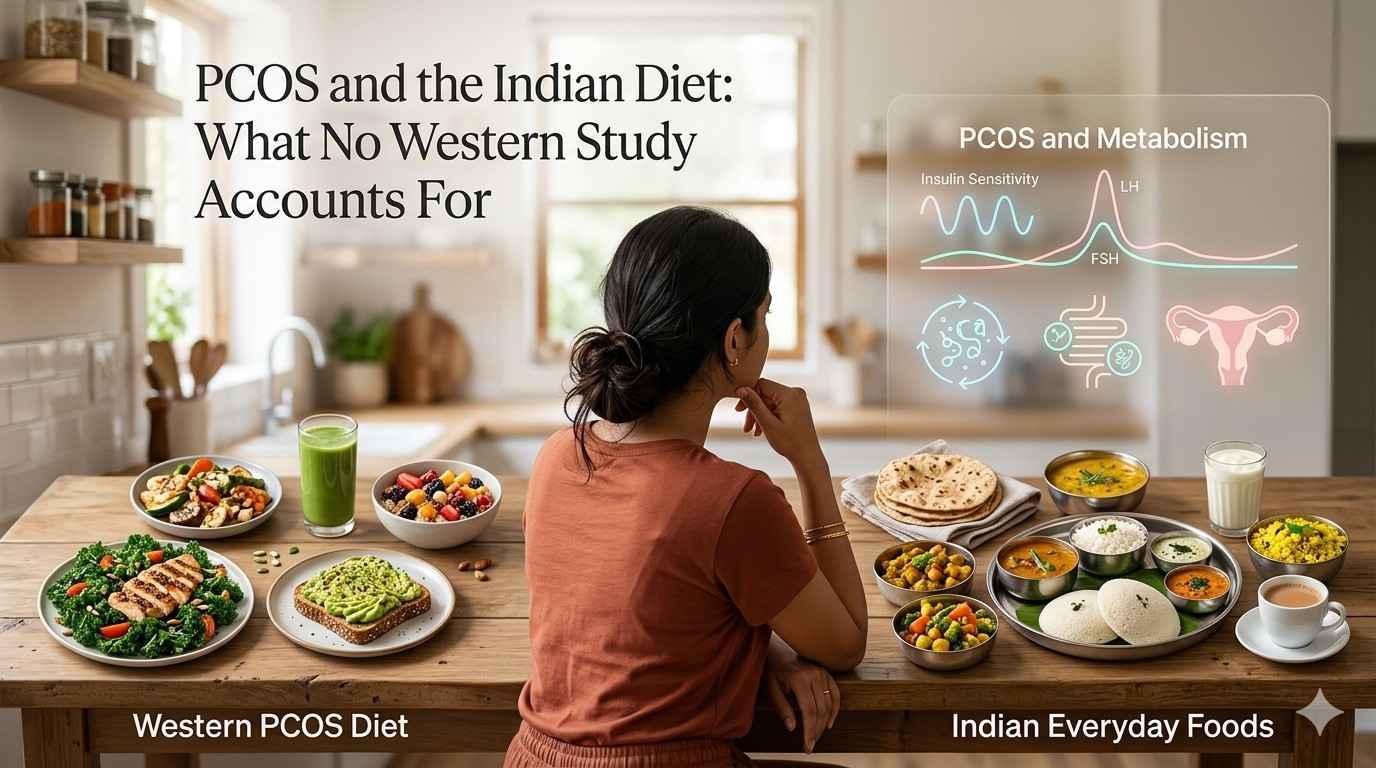
Growing research suggests that it is also linked with insulin resistance, metabolism, inflammation, and even gut health, making it a complex condition that affects the body in different ways.
But the good news is PCOS can be managed. In this guide, we explore the symptoms, possible causes, the connection between PCOS and the gut microbiome, and practical diet and management tips to better support hormonal health.
PCOS is on The Rise: What Do The Numbers Say?
Back in time, PCOS was hardly part of everyday conversations. But today, the stats are scary:
- Based on the 2012 NIH report, PCOS will affect about 5 million females in the US in the coming years.
- Global studies say that out of 100 women, 5 to 15 may have PCOS globally.
- The incidence of PCOS is rising rapidly, mostly among asians.
- Out of every 100 women, about 11 have PCOS in India. That is, 10% of women in India have PCOS. This study was published in 2022.
- The rate of PCOS has increased to 17.4% in India.
So, is it just people being aware and getting better diagnoses? Or is it something related to a changing lifestyle? Let’s find out and understand PCOS thoroughly!
What is PCOS?
PCOS stands for Polycystic Ovary Syndrome. It is a hormonal problem where your ovaries start behaving a little offbeat.
Meaning, in a healthy body, the ovaries release one egg every month. But in PCOS, this process is disturbed. Small, liquid-filled bubbles develop in the ovaries (called follicles), and eggs are not released regularly. This leads to irregular or no periods and hormonal imbalances.
PCOS affects the endocrine system. This system produces and releases hormones in the body. These hormones regulate growth, metabolism, reproduction, and mood. Now you can see how problems in the endocrine system can significantly disrupt our normal and essential bodily functions.
PCOS and Type 2 Diabetes: How Are They Related?
PCOS and type 2 diabetes are closely linked because insulin resistance is common in PCOS, which makes it harder for the body to control blood sugar.
This common problem of insulin resistance in PCOS patients, over time, increases the risk of type 2 diabetes. Irregular periods, weight gain, acne, and unwanted hair growth may seem hormonal, but a hidden blood sugar imbalance often plays a major role in both conditions in today’s lifestyle.
PCOS and Gut Health: Is Your Gut Quietly Influencing Your Hormones?
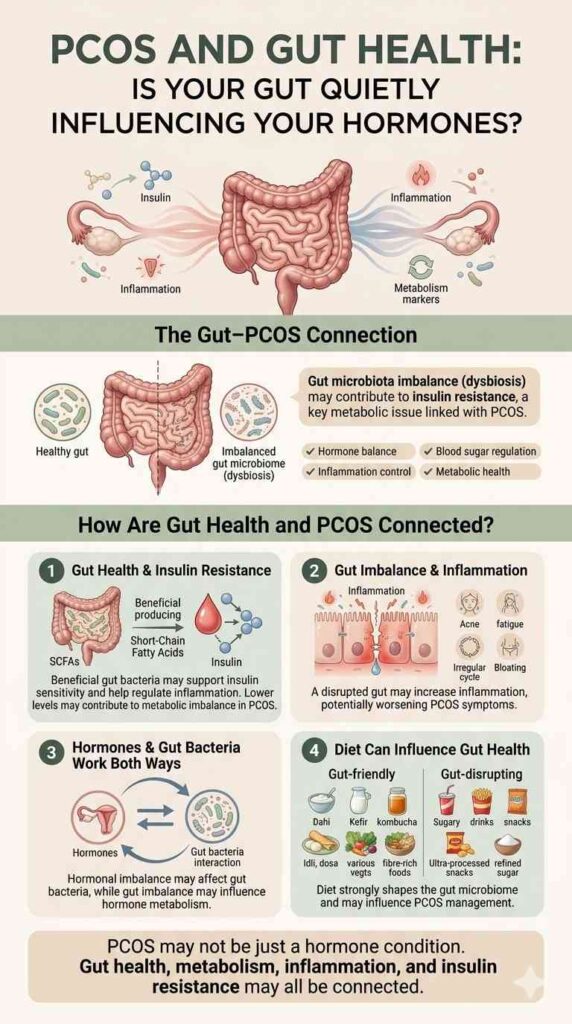
For years, PCOS has mostly been viewed as a hormonal condition. But emerging research suggests the story may begin much deeper, in the gut.
Gut microbiota dysbiosis can cause insulin resistance, one of the key metabolic issues closely associated with PCOS.
The gut microbiome helps regulate everything from digestion and inflammation to blood sugar control and hormone balance. When this ecosystem is healthy, it supports metabolic health. When disrupted, it may quietly fuel many of the symptoms linked with PCOS.
Studies have consistently found that women with PCOS tend to have less diverse gut bacteria compared to women without the condition. In simple words, the “good bacteria ecosystem” may become less balanced, making it harder for the body to regulate insulin, inflammation, and reproductive hormones.
So, how exactly are the gut and PCOS connected?
1. Gut Health and Insulin Resistance May Be Closely Linked
Insulin resistance is one of the major drivers of PCOS, and growing research suggests the gut microbiome may play a meaningful role in this process.
Certain gut bacteria produce compounds called short-chain fatty acids (SCFAs) that help improve insulin sensitivity and regulate inflammation. Studies suggest these beneficial bacteria may be reduced in women with PCOS, which could partly explain difficulties with blood sugar regulation and metabolic health.
2. A Disturbed Gut May Increase Inflammation
An unhealthy gut can weaken the intestinal barrier, sometimes referred to as a “leaky gut,” allowing inflammatory compounds to enter circulation. Chronic low-grade inflammation is commonly observed in PCOS and may contribute to symptoms such as acne, weight gain, irregular menstrual cycles, and fatigue.
3. Hormones and Gut Bacteria May Influence Each Other
Research suggests that hormonal changes in PCOS may affect the composition of gut bacteria, while gut imbalance may also influence hormone metabolism. Elevated androgen levels (male hormones such as testosterone, often higher in PCOS) have been associated with shifts in the gut microbiome. This interaction may contribute to a cycle in which hormonal imbalance and gut disruption reinforce one another over time.
4. Diet May Play an Important Role in Gut Health
The encouraging part is that dietary habits strongly influence the gut microbiome.
A diet rich in fibre, fermented foods such as dahi, Kefir, Kombucha, kanji, idli, and dosa, a variety of plant foods, and balanced meals may help support beneficial gut bacteria. In contrast, highly processed foods and excessive sugar intake negatively affect gut balance over time.
While no specific “gut healing diet” can cure PCOS, supporting gut health may be an important part of overall symptom management.
The Difference Between PCOS and PCOD
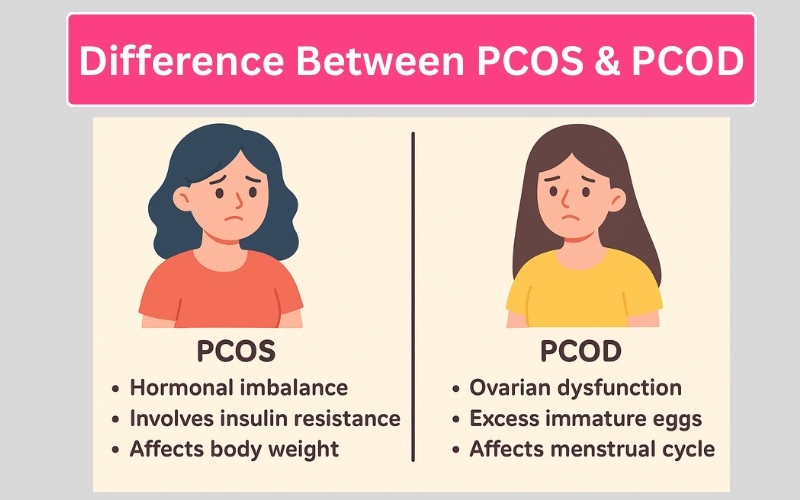
People often use PCOS and PCOD interchangeably, but they are different.
- PCOD (Polycystic Ovarian Disease): This is a condition where the ovaries release immature or partially mature eggs. It is a milder condition than PCOS, with symptoms like heavy or light bleeding during menstruation, weight gain, and hair loss. It happens because of a deficiency in reproductive hormones such as FSH (Follicle-stimulating hormone) and LH (luteinizing hormone).
- PCOS (Polycystic Ovary Syndrome): This is a more serious problem that involves long-term complications like hormonal imbalances and even insulin resistance. PCOS Symptoms change from person to person. Let’s check them below.
In both cases, lifestyle changes for good health and early diagnosis play a huge role in management.
PCOS Symptoms: How Does it Show Up?
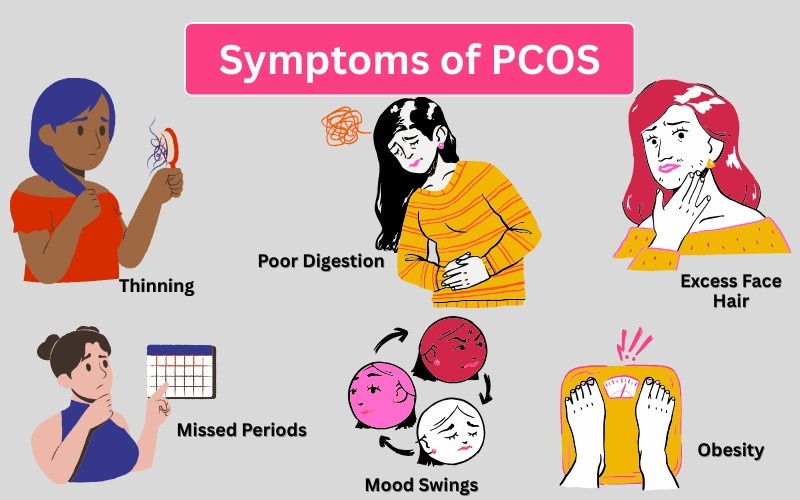
PCOS shows up with varying symptoms in different individuals. Hormonal imbalance is the most common. High levels of the male hormone androgen can lead to irregular periods, acne, facial hair, and hair loss. Other PCOS symptoms include:
- Irregular or missed periods
- Weight gain (obesity) or difficulty losing weight
- Hirsutism, meaning abnormal hair growth on the face and body
- Poor digestion
- Low energy
- Acne and oily skin
- Hair thinning or hair loss
- The most ignorant, mood swings
- Difficulty getting pregnant
- Dark patches on the neck and underarms
Not everyone has the same PCOS symptoms. Most women have irregular periods or trouble conceiving.
Why is PCOS Rising so Rapidly?
The rise of PCOS is not a shock if you look at lifestyle changes due to technology.
- The desk job, which most people have, has given rise to a sedentary lifestyle. Sitting for more than 7 hours in one place without movement leads to obesity, stress, and other metabolic problems.
- Other than this, a processed-food diet (sugary drinks, carbs, irregular eating habits), stress, and a disrupted sleep cycle lead to hormonal imbalance.
- Research shows that lack of movement, physical activity, and exercise leads to stress and depression, which in turn may indirectly affect health-related quality of life. And this poor quality of life gives rise to problems like PCOS.
- In addition, skincare products, plastics, nylon clothing, and even certain food packaging can act as endocrine disruptors. They slowly affect our hormonal health.
PCOS Management Tips (That Actually Help)
Enough talking about the problem. Now, let’s talk about the solution. Of course, medication is very important, as without it, the PCOS symptoms become impossible to manage. But along with that, a healthy lifestyle also supports a lot. Here’s the list of management tips you need to manage the PCOS symptoms:
Reduce Sedentary Habits
A study that had 283 participants (women with PCOS) found that women with PCOS who sit for more than 7 hours a day tend to have a lower quality of life. A small walk in between work and a healthy diet is a good start in controlling PCOS symptoms. Because, factually, lifestyle change to an active one can help you manage PCOS symptoms effectively.
Do Regular Physical Activity
Engage in intense regular exercise and Yoga. This helps manage PCOS symptoms like infertility, obesity, stress, and diabetes. For the initial times, start with small exercise goals with strategies to reduce sitting for a long time. Swap an hour of brisk walking, a couple of stretching exercises, Yoga, using stairs instead of the elevator, etc.
Diet For PCOS You Must Follow
Making diet improvements is very important for PCOS management. Clinical dietitians say that patients can improve their health by starting with nutritious foods.
So, what is the best diet for PCOS? Before talking about what to eat, take a look at the list of foods to avoid in PCOS:
- Fried foods (French fries, potato chips, fried chicken or fish, etc.)
- Saturated fats such as butter
- Red meat, steaks, hot dogs, etc.
- Cereals high in sugar, like granola and instant oatmeal
- Sugary beverages like soda, sports drinks, and teas
- Alcohol
- Refined flour, white bread.
- White rice
Balanced Diet For PCOS
Balanced Diet for PCOS includes:
- Superfoods like chia seeds, flax seeds, and walnuts are a good source of healthy fats and omega-3 fats.
- Use olive oil instead of sunflower, groundnut oils, and butter.
- Several herbs like jeera powder, black seed oil, fennel seeds, green tea, fenugreek seeds, cinnamon powder, primrose oil, and turmeric are highly regarded for lowering PCOS symptoms and its complications like obesity and diabetes.
- Eat non-starchy vegetables, which include leafy greens, spinach, kale, and lettuce. Other veggies like tomatoes, peppers, broccoli, cauliflower, etc.
- Include whole grains in your diet, like brown rice, quinoa, barley, and others. Breads and pastas made with whole grains can help avoid a sudden sugar spike.
PCOS May Not Start Only in the Ovaries
PCOS is often described as an ovarian or hormonal disorder, but research increasingly suggests it may also be deeply connected to metabolism and gut health.
This does not mean gut problems directly cause PCOS or that fixing your microbiome alone will reverse symptoms. But it does suggest something important: your hormones, insulin levels, inflammation, and gut bacteria may all be having one very complicated conversation.
And perhaps, supporting gut health through everyday food choices is not just good digestion advice, but another meaningful way to support PCOS management from the inside out.
It can feel confusing and frustrating, but you’re not alone. The condition is increasingly becoming common, but with the right knowledge, support, and self-care, management is possible.
FAQs
1. Can PCOS go away?
PCOS usually does not completely go away, but symptoms can improve significantly with proper diet, exercise, stress management, and medical treatment when needed.
2. What organs can PCOS affect?
PCOS mainly affects the ovaries but can also impact the pancreas, skin, liver, and reproductive system due to hormone imbalance, insulin resistance, and inflammation.
3. Can you get pregnant with PCOS?
Yes, many women with PCOS can get pregnant. However, irregular ovulation may make conception more difficult. Lifestyle changes, medications, or fertility treatments can improve pregnancy chances.
4. How does PCOS affect weight?
PCOS can contribute to weight gain by increasing insulin resistance and hormonal imbalance, making it easier to gain weight and harder to lose, especially around the abdomen.
References
- https://pmc.ncbi.nlm.nih.gov/articles/PMC9440853
- https://pubmed.ncbi.nlm.nih.gov/39861440
- https://pmc.ncbi.nlm.nih.gov/articles/PMC9926864
- https://pmc.ncbi.nlm.nih.gov/articles/PMC10299884
- https://pmc.ncbi.nlm.nih.gov/articles/PMC7301991/
- https://pubmed.ncbi.nlm.nih.gov/22543078/
- https://pubmed.ncbi.nlm.nih.gov/29370410/
Disclaimer
This article is for informational purposes only and does not substitute for professional medical advice. If you have PCOS or related symptoms, consult a qualified healthcare provider.



2 comments