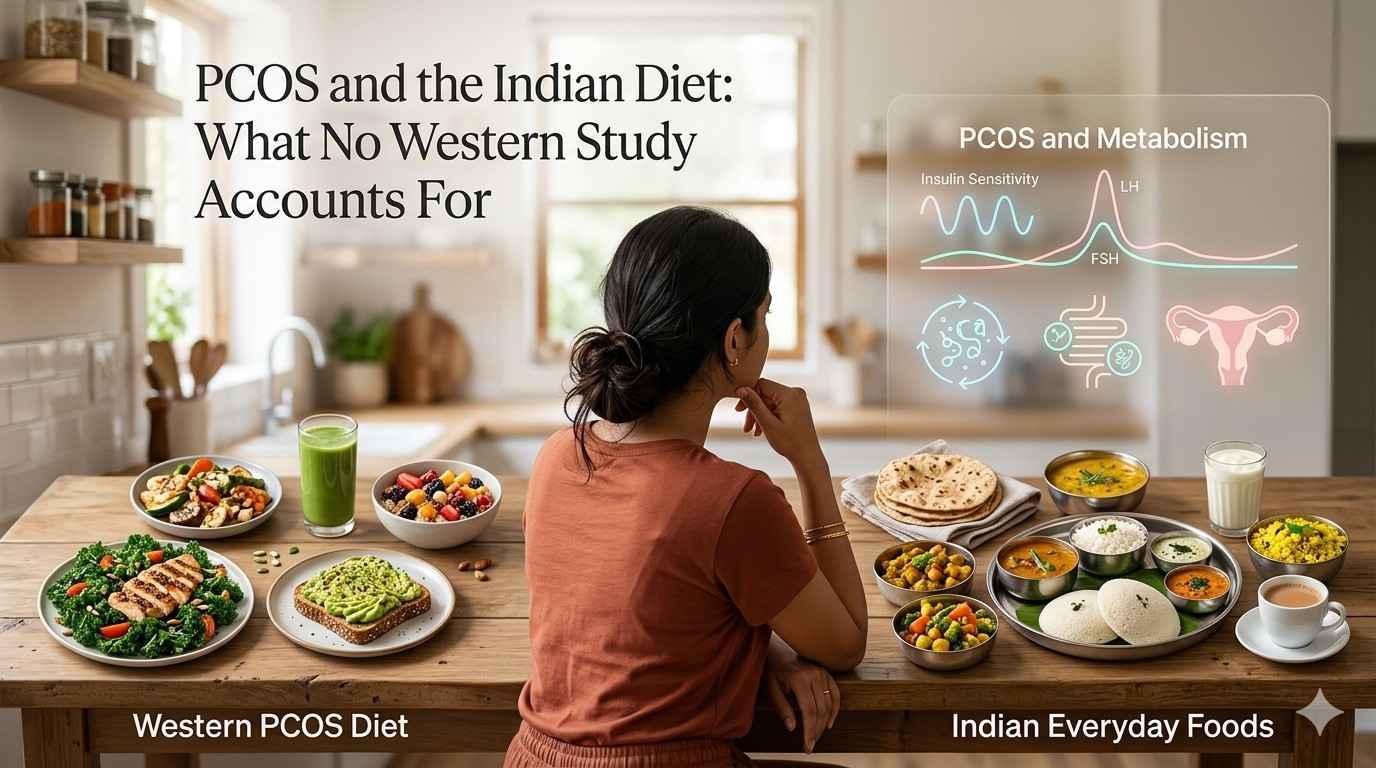
Polycystic Ovary Syndrome (PCOS), now PMOS, is one of the most common hormonal conditions in women of reproductive age. It affects everything from menstrual cycles and fertility to metabolism and mental health.
In India, the numbers are increasing rapidly.
Surprisingly, most of what we know about managing PCOS through diet comes from Western research.
These studies are valuable, but they largely reflect Western eating patterns. The typical Indian diet is very different, and that difference matters more than most guidelines acknowledge.
Why the Indian Diet Needs Its Own Lens
The standard PCOS dietary advice from Western studies tends to focus on cutting refined carbohydrates, increasing protein, and following a Mediterranean or low-GI eating pattern.
All of this is broadly reasonable. But it does not capture the everyday reality of Indian eating.
The Indian diet is heavily built around white rice, refined wheat (maida), dal, sabzi, and dairy. These are not inherently harmful foods, but their combination and quantity create a carbohydrate load that differs markedly from the mixed diets studied in most Western trials.
Why Rice Quality and Preparation Matter in PCOS
Research shows that the milling process has a clear effect on blood glucose responses, with brown rice consistently producing a lower post-meal glucose and insulin response than white rice.
White rice, a dietary staple across South India, has a glycemic index that varies widely depending on the variety and cooking method.
The glycemic index values for different rice varieties range from 48 to 93, based on inherent starch characteristics, post-harvest processing, and how the rice is cooked and stored. For a woman with PCOS managing insulin resistance, this variability is practically important.
Insulin Resistance May Hit Indian Women Harder
When it comes to PCOS, insulin resistance may not look the same across populations, and Indian women appear to face a steeper metabolic challenge.
Research consistently suggests that Indian women with PCOS tend to have stronger insulin responses, meaning the body may struggle more with blood sugar regulation even when weight appears normal.
In other words, someone can look “healthy” on the outside and still be dealing with significant metabolic stress internally.
This may explain why PCOS symptoms in Indian women sometimes feel harder to manage and why standard advice may not always work the same way.
What does this mean for Indian women with PCOS?
- Healthy weight does not always mean low risk: Even women who are not overweight may still experience insulin resistance and metabolic imbalances.
- Blood sugar spikes may matter more: High-GI foods, refined carbs, and poorly balanced meals may have a stronger impact on hormones and energy levels.
- A Western PCOS diet may not be enough: Meal plans designed around salads, sourdough, and Mediterranean eating patterns may not fully reflect the realities of Indian meals built around rice, roti, and dal.
- Early lifestyle changes become more important: Prioritising fibre, protein, balanced meals, movement, and better carb quality may help manage symptoms before complications build up.
In simple terms, managing PCOS in India may require a more local lens. A diet plan that works in the West may not always translate perfectly in India.
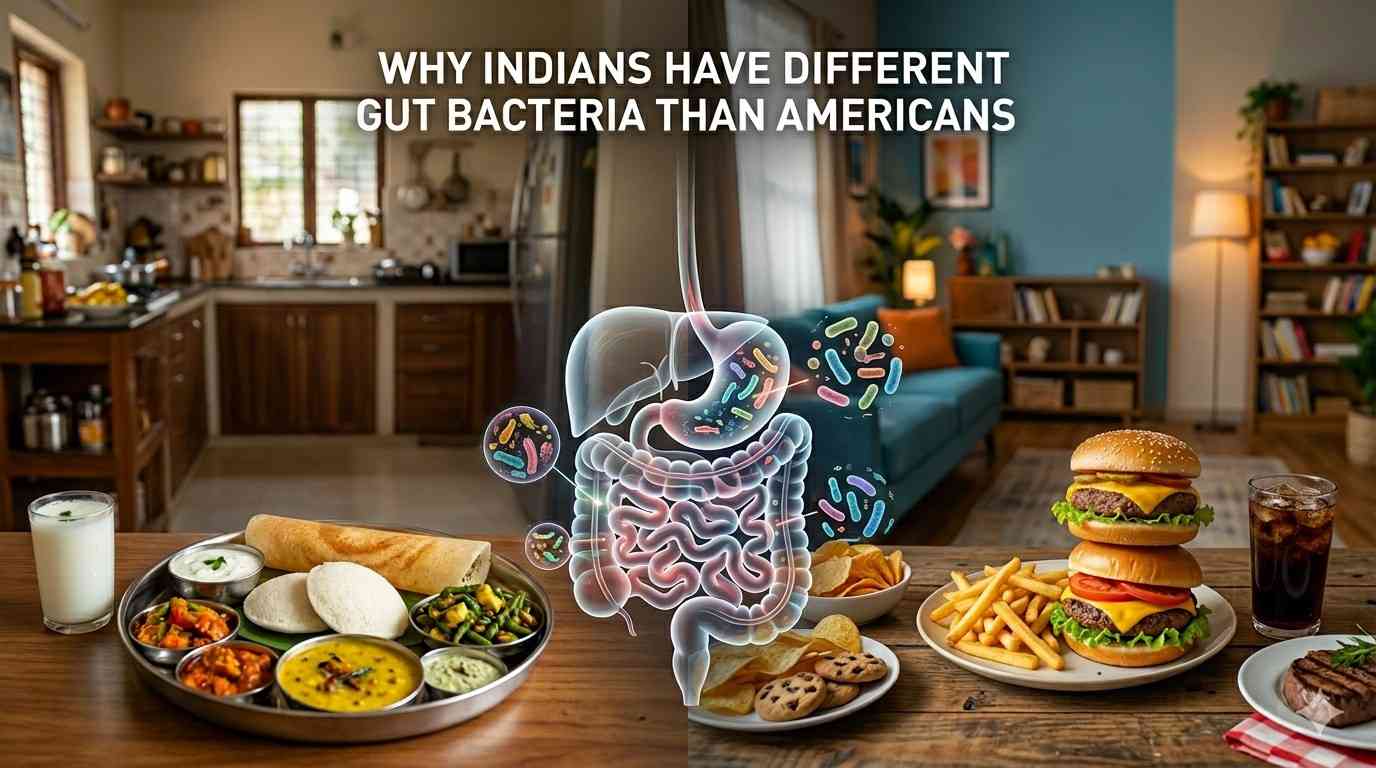
This becomes even more relevant when we consider that gut microbiome patterns can differ across populations, with studies suggesting Indians and Americans often have distinct gut bacteria profiles shaped by diet, lifestyle, and environment. What supports metabolic and hormonal health in one population may not work the same way in another.
What the Indian Kitchen Actually Offers
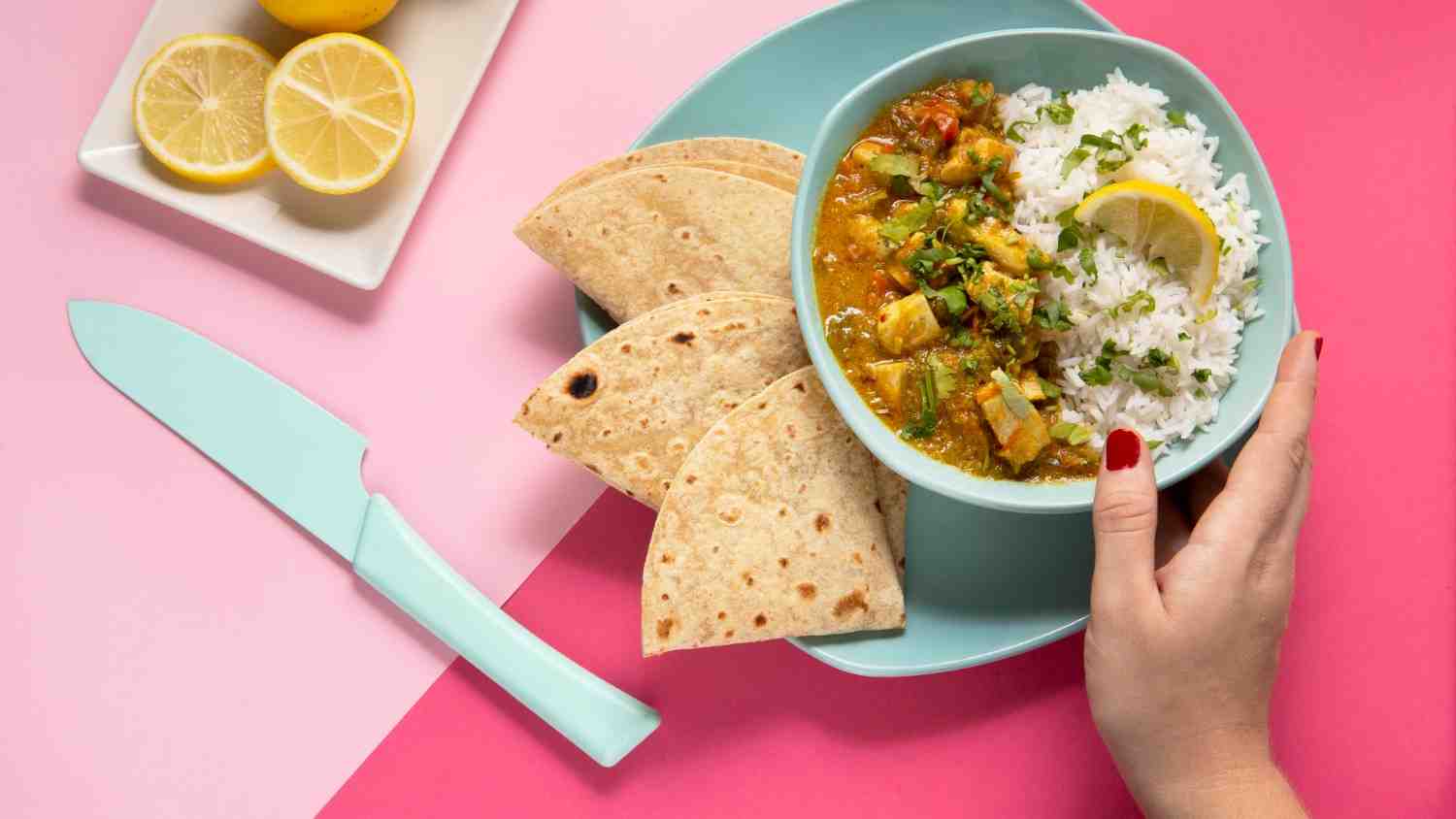
Here is where the picture becomes more interesting. The traditional Indian diet contains several everyday ingredients that have shown genuine promise in PCOS research.
Turmeric (Haldi)
Curcumin, the active compound in turmeric, has anti-inflammatory, antioxidant, and insulin-sensitizing properties. Studies show it can reduce androgen levels and improve metabolic markers in women with PCOS.
Fenugreek (Methi)
A staple in Indian cooking and a common ingredient in dals and parathas, methi has attracted growing scientific attention.
Fenugreek can significantly improve lipid profiles in women with PCOS, including reductions in LDL and improvements in HDL and triglyceride levels. Its soluble fiber content can also help slow glucose absorption, which is meaningful in a high-carbohydrate diet.
Lentils and Legumes
Dal is a cornerstone of the Indian diet and a natural source of plant-based protein and soluble fiber.
Dietary fiber intake in PCOS is negatively correlated with insulin resistance, fasting insulin levels, glucose tolerance, and androgen levels. This makes the humble dal bowl far more relevant to PCOS management than it is usually given credit for.
The Gut Microbiome Gap in Indian Research
There is another important angle to explore: the gut microbiome.
The specific microbial communities shaped by an Indian vegetarian or largely plant-based diet are quite different from those studied in Western populations.
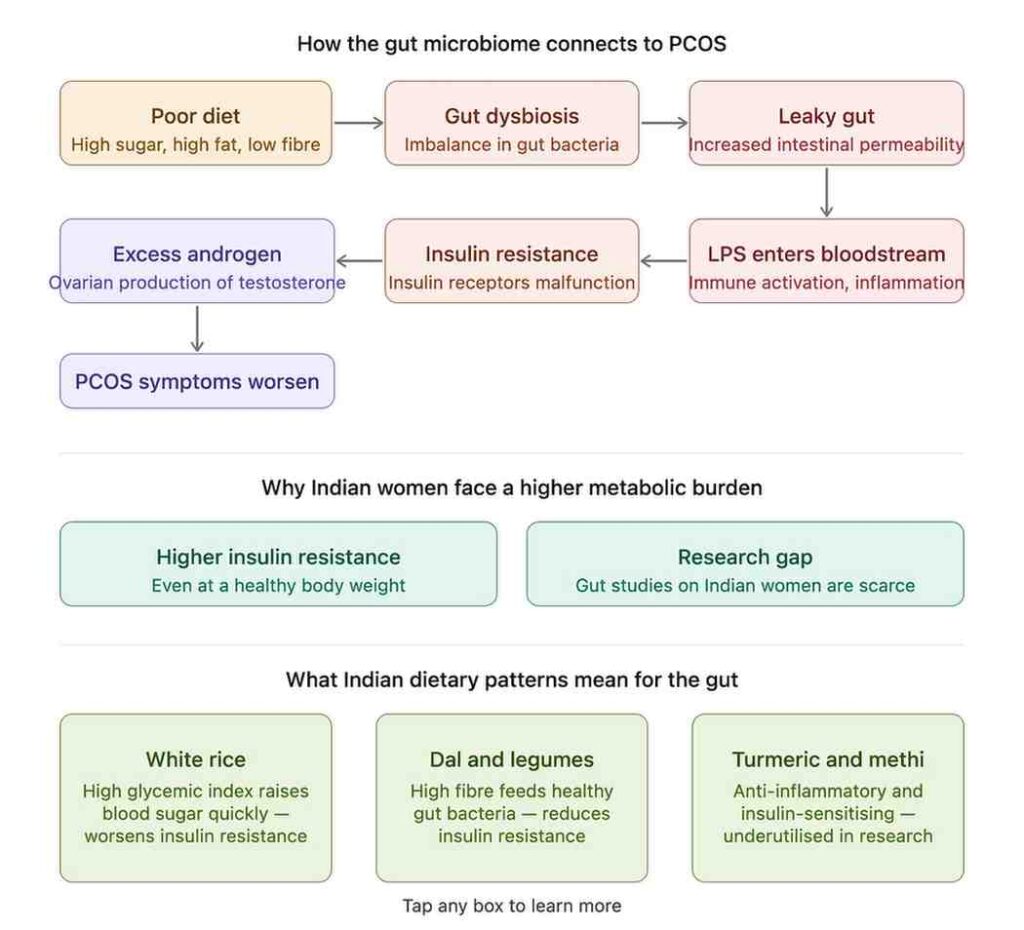
Indian women with PCOS have higher fasting insulin levels and greater insulin resistance compared to white women with PCOS, yet studies addressing the importance of gut health in this specific population are largely lacking.
A study published in PMC that profiled the gut microbiome of women from Northern India found meaningful differences in microbial composition between women with PCOS and healthy controls, suggesting that Indian-specific gut research is urgently needed.
Researchers have proposed that a high-sugar, high-fat, low-fiber diet causes an imbalance in intestinal flora, which increases gut permeability, allows inflammatory compounds into the bloodstream, and subsequently triggers insulin resistance, which in turn promotes excess androgen production in the ovaries.
This chain of events is directly influenced by what a person eats daily.
Indian Women with PCOS
Managing PCOS through diet does not mean abandoning traditional food. It means making small, evidence-informed adjustments.
Pairing rice with protein and vegetables can lower the overall glycemic impact of a meal. Including methi regularly, whether in cooking or soaked overnight, supports blood sugar balance. Turmeric used daily in curries contributes a consistent dose of anti-inflammatory curcumin. Choosing whole dals and legumes over refined snack foods helps feed a healthier gut microbiome.
Indian women with PCOS deserve research and dietary guidance that reflects their biology, their food culture, and their metabolic patterns. Until that research catches up, understanding what the science says and applying it thoughtfully to an Indian diet is the most practical step forward.
FAQs
1. Can improving gut health help manage PCOS?
Supporting gut health may help reduce inflammation, improve digestion, and enhance insulin sensitivity. While it cannot cure PCOS, a healthy gut may support better symptom management over time.
2. What foods are good for PCOS and gut health?
Fibre-rich foods, fermented foods like dahi and idlis, whole grains, fruits, vegetables, and balanced meals may support gut bacteria and hormonal health in PCOS.
3. Is insulin resistance common in PCOS?
Yes, insulin resistance is common in PCOS and may contribute to weight gain, irregular periods, cravings, and hormone imbalance, even in women with a healthy weight.
4. Can lifestyle changes improve PCOS symptoms?
Yes, consistent lifestyle habits such as balanced nutrition, regular exercise, stress management, quality sleep, and medical guidance may significantly improve PCOS symptoms.
References
- https://pmc.ncbi.nlm.nih.gov/articles/PMC4579564/
- https://pmc.ncbi.nlm.nih.gov/articles/PMC9826643/
- https://www.who.int/news-room/fact-sheets/detail/polycystic-ovary-syndrome
- https://pubmed.ncbi.nlm.nih.gov/7805925/
- https://pmc.ncbi.nlm.nih.gov/articles/PMC7909663/
- https://pmc.ncbi.nlm.nih.gov/articles/PMC10279838/
- https://www.frontiersin.org/journals/endocrinology/articles/10.3389/fendo.2022.1051111/full
- https://pmc.ncbi.nlm.nih.gov/articles/PMC8847200/
- https://pmc.ncbi.nlm.nih.gov/articles/PMC8871983/
- https://pmc.ncbi.nlm.nih.gov/articles/PMC7301991/
Disclaimer
This article is for informational purposes only and does not substitute for professional medical advice. If you have PCOS or related symptoms, consult a qualified healthcare provider.


Post Comment