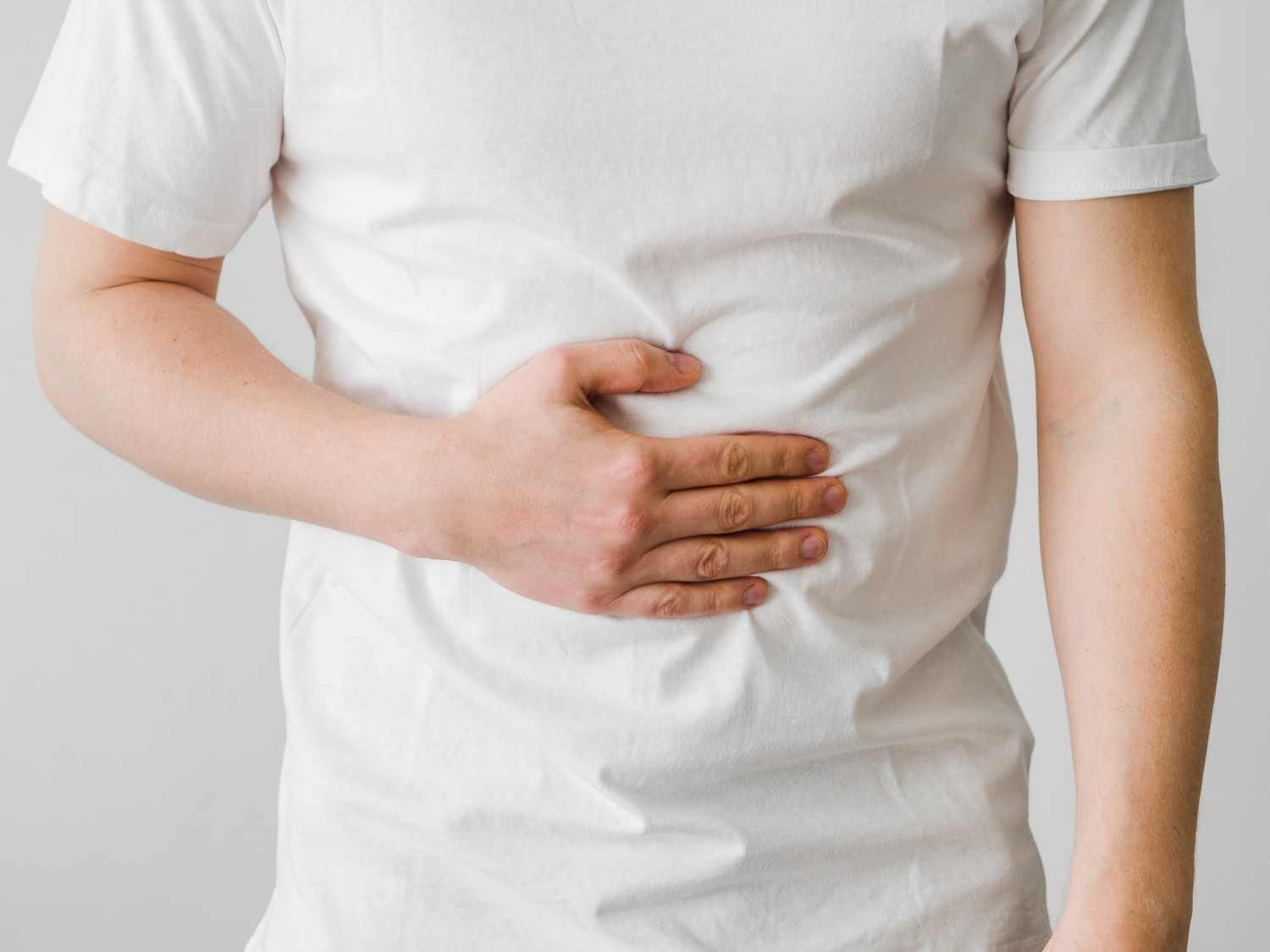
You’ve probably heard that bacteria outnumber your own cells by 10 to 1. It’s one of those wellness “facts” repeated so often that most people assume it’s true. Spoiler: it isn’t.
Modern research shows the actual ratio is much closer to 1:1, and that’s only the beginning. The internet is full of gut health myths that sound convincing but don’t hold up when examined against scientific evidence.
If you care about your gut, it’s worth knowing what’s supported by research and what’s simply wellness misinformation that refuses to disappear.
Wait, so I’m basically half bacteria? Pretty much. Your body holds around 38 trillion bacteria, almost as many as your 30 trillion human cells. Next time someone jokes you’re “mostly bacteria,” they’re not far off. |
Common Myths vs. Scientific Facts
Myth: Microbes outnumber human cells 10 to 1
Fact: This number has floated around since the 1970s, way longer than it deserves. Updated research puts the real count at about 38 trillion bacteria, almost equal to our 30 trillion human cells, not ten times higher. The numbers are remarkably close, rather than one vastly outnumbering the other.
Myth: Gut bacteria are either “good” or “bad”
Fact: There’s no single definition of a “healthy” or “unhealthy” gut microbiome. Everyone’s gut is different, so what counts as balanced varies from person to person.
A microbe’s effects depend on where it lives, the individual it inhabits, and what else is happening in that person’s gut at the time.
Myth: Your gut microbiome is fixed and hard to change
Fact: This one’s genuinely surprising. Your gut microbiome isn’t static; it’s shockingly responsive. Diet changes can reshape your gut bacteria in as little as a day. That new smoothie habit is doing more, and faster, than you’d think.
Myth: Higher microbiome diversity always means better health
Fact: More isn’t automatically better. A diverse microbiome is often a good sign, but it’s not a universal health score. What matters more is whether your specific gut bacteria are functioning well for you.
Myth: Probiotics are a magic cure, safe for everyone
Fact: Probiotics are often treated as a cure-all, but that’s not how they work. Different strains can behave very differently, and what helps your friend’s bloating may do nothing for yours. They’re also not regulated like medications, so taking more isn’t automatically safer.
Should I even be taking a probiotic? Not necessarily. If your gut is doing fine, popping probiotics “just in case” is mostly an expensive habit. Save them for when there’s a genuine reason to use them. |
Gut Microbiome Myths vs. Reality: Key Takeaways
Distinguishing marketing claims from scientific evidence is key to making better decisions about gut health. Rather than chasing generic “perfect” ratios or relying on “cure-all” supplements, focus on understanding how your unique gut microbiome functions.
Better health comes from evidence-based habits, not from repeating outdated wellness myths.
| Is Your Modern Lifestyle Keeping Inflammation Switched On? A Western-style diet and sedentary lifestyle may promote chronic, low-grade inflammation. Over time, this metabolic inflammation is associated with conditions such as obesity, type 2 diabetes, cardiovascular disease, and cancer. |
FAQs
1. Is it true that 70% of your immune system is in your gut?
Yes. Around 70% of immune cells are located in the gastrointestinal tract. Gut-associated lymphoid tissue (GALT), a major component of mucosa-associated lymphoid tissue (MALT), accounts for a significant portion of the body’s immune system.
2. Does kissing share the microbiome?
Yes. A 10-second kiss can transfer millions of oral bacteria between partners, gradually making their mouth microbiomes more similar over time.
3. Are probiotics nonsense?
Not nonsense, but not magic either. Effects are strain-specific, so a probiotic that helps one person’s gut might do nothing for someone else’s.
4. What drink heals your gut?
No single drink “heals” anything. Fermented options like kefir or kombucha can support gut bacteria, but they’re not a cure-all fix.
5. What are the 5 worst foods for gut health?
Ultra-processed snacks, sugary drinks, fried foods, artificial sweeteners, and excess alcohol are generally the biggest offenders for disrupting gut bacteria balance.
References
- https://www.mdpi.com/2072-6643/17/19/3121
- https://pmc.ncbi.nlm.nih.gov/articles/PMC2515351/
- https://pmc.ncbi.nlm.nih.gov/articles/PMC4233210/
- https://pmc.ncbi.nlm.nih.gov/articles/PMC11174918/
Disclaimer
This article is for informational purposes only and does not constitute medical advice. Consult a qualified healthcare professional for personalized guidance.



Post Comment