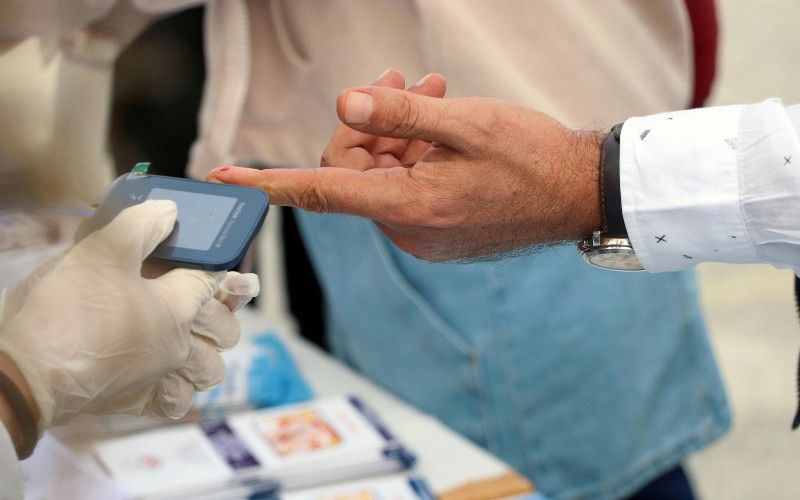
Lifestyle diseases like type 2 diabetes don’t usually appear overnight. They develop slowly, often beginning with a stage called prediabetes. Understanding the difference between prediabetes and diabetes can help you take action early and even prevent the disease altogether.
Both conditions involve higher-than-normal blood sugar levels, but they differ in severity and impact on the body. Prediabetes is a warning signal, while type 2 diabetes is a condition where the body’s glucose regulation system is already disrupted.
Let’s break it down further.
What is Prediabetes?
Prediabetes is a metabolic state where blood sugar levels are higher than normal but not high enough to be diagnosed as diabetes or type 2 diabetes. It is often described as an intermediate stage between a normal blood glucose level and type 2 diabetes.1
Because symptoms are subtle or absent, many people don’t realize they have prediabetes until routine blood tests detect it.
Key characteristics of prediabetes:
- Blood sugar levels are elevated but not dangerously high
- The pancreas still produces insulin, but the body does not respond efficiently
- Most people experience no noticeable symptoms2
- It is reversible with lifestyle changes2
What is Diabetes?
Diabetes, also known as type 2 diabetes, occurs when the body can no longer effectively regulate blood sugar levels. This happens due to severe insulin resistance and/or reduced insulin production.3
Type 2 diabetes accounts for about 90% of all cases of diabetes. 3 Over time, persistent high blood sugar can damage blood vessels, nerves, and organs such as the heart, kidneys, and eyes.3
Common signs and symptoms of type 2 diabetes include:
- Frequent urination
- Increased thirst
- Fatigue
- Slow wound healing
- Blurred vision
Prediabetes vs Diabetes Diagnostic Readings
These are the standard reading criteria for the diagnosis of prediabetes and type 2 diabetes:4
| Diagnostic Test | Prediabetes | Type 2 Diabetes |
| Impaired fasting glucose | 100 to 125 mg/dL | ≥126 mg/dL |
| Glycated hemoglobin (HbA1c) | 5.7 to 6.4% | ≥6.5% |
| Impaired glucose tolerance (IGT) | 140 to 199 mg/dL | ≥200 mg/dL |
A 1-hour post-meal glucose level of 155 mg/dL or higher can indicate an increased risk of type 2 diabetes and cardiovascular disease. 5
Key Difference Between Prediabetes And Type 2 Diabetes
The table below shows the key differences between prediabetes and type 2 diabetes in a simpler way:
| Feature | Prediabetes | Type 2 Diabetes |
| Blood sugar levels | Higher than normal | Significantly high |
| Insulin function | Insulin resistance begins | Severe resistance or low insulin |
| Symptoms | Usually none | May include thirst, fatigue, frequent urination |
| Reversibility | Often reversible with lifestyle changes | Manageable but usually not reversible |
| Risk level | Warning stage | Chronic metabolic disease |
Stop Prediabetes from Turning into Type 2 Diabetes
Prediabetes can often be reversed with the right lifestyle habits. Small, consistent changes in daily routine can improve insulin sensitivity and help maintain healthy blood sugar levels.
- Gut Health: A balanced gut microbiome supports better glucose metabolism and reduces inflammation. Adding fermented foods and probiotic drinks like buttermilk, kombucha, and kefir can help improve metabolic health.
- Stress Control: Chronic stress increases cortisol levels, which can raise blood sugar over time. Practices like meditation, breathing exercises, and mindful breaks help regulate stress hormones.
- Active Lifestyle: Regular movement helps muscles use glucose for energy, improving insulin sensitivity. Even 30 minutes of walking, yoga, or light exercise daily can make a difference.
- Belly Fat: Excess abdominal fat is strongly linked to insulin resistance. Reducing belly fat through a balanced diet and exercise can significantly lower diabetes risk.
- Healthy Habits: Consistent routines like balanced meals, proper sleep, hydration, and regular health check-ups help maintain stable blood sugar and overall metabolic health.
Early Awareness Changes the Outcome
Prediabetes and diabetes exist on the same metabolic spectrum, but the difference between them represents a powerful window of opportunity.
Prediabetes is not a life sentence; it’s a signal from your body asking for attention. With informed lifestyle choices, you can slow, stop, or even reverse the progression toward diabetes.
The key is awareness, early testing, and consistent healthy habits. Your metabolism is incredibly adaptable. Give it the right environment, and it often finds its way back to balance.
References
- https://pmc.ncbi.nlm.nih.gov/articles/PMC8026645/
- https://www.ncbi.nlm.nih.gov/books/NBK459332/
- https://www.ncbi.nlm.nih.gov/books/NBK513253/
- https://www.ncbi.nlm.nih.gov/books/NBK574060/table/ch1.tab2/
- https://pmc.ncbi.nlm.nih.gov/articles/PMC12477350/
FAQs
1. What is the difference between prediabetes and type 2 diabetes?
In prediabetes, blood glucose is higher than normal but not high enough to be diagnosed as diabetes. In type 2 diabetes, blood sugar remains consistently high because the body can no longer effectively use insulin.
2. How is prediabetes vs diabetes diagnosed?
Prediabetes is diagnosed when fasting glucose is 100–125 mg/dL, while diabetes is diagnosed when fasting glucose is 126 mg/dL or higher.
3. What is a normal fasting insulin level?
A normal fasting insulin level usually ranges between 2–25 μIU/mL. Levels outside this range may indicate insulin resistance or other metabolic concerns.



Post Comment