
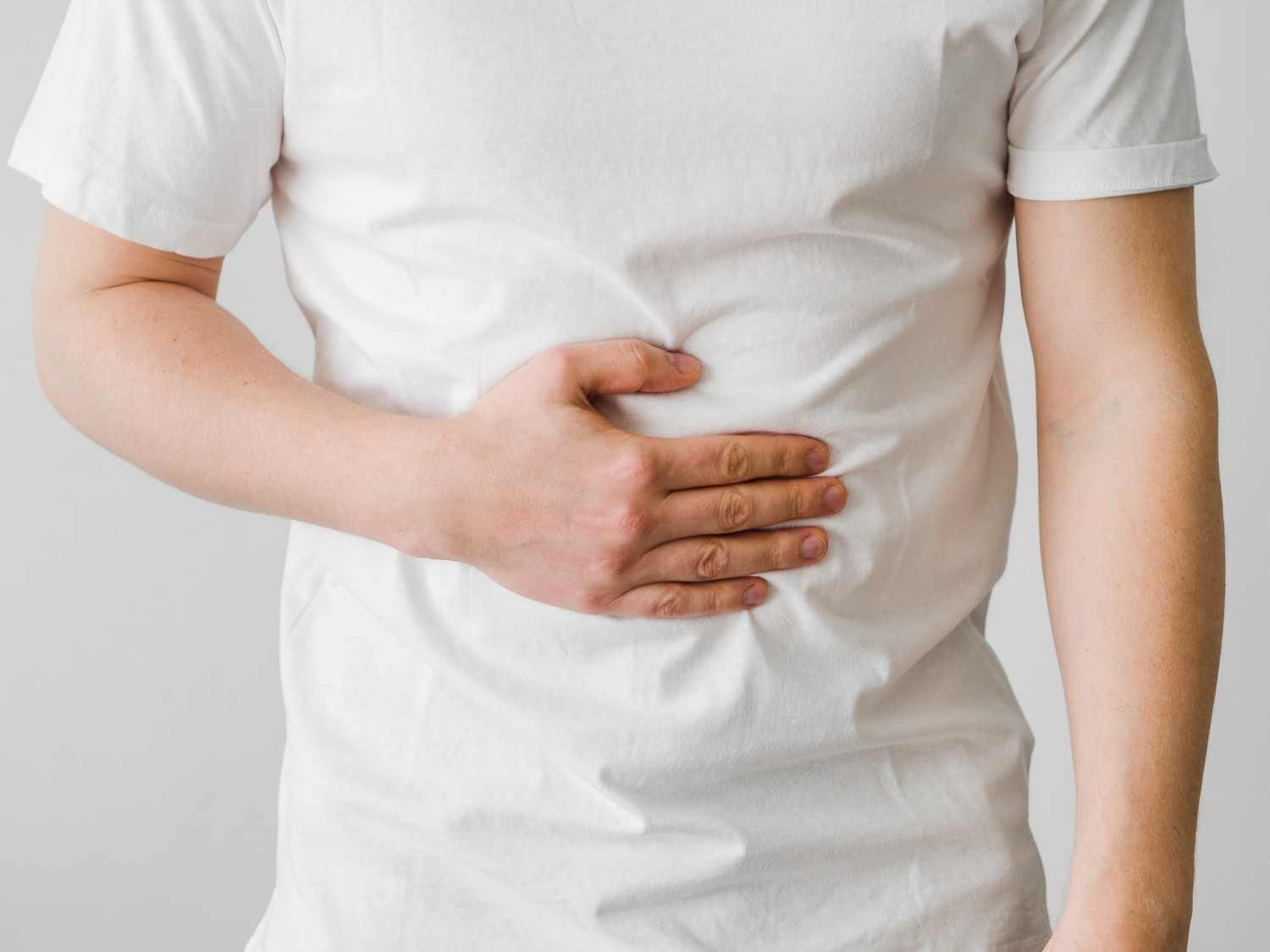
Many people deal with persistent bloating, irregular bowel movements, and low energy. These symptoms are often brushed off as stress or a bad diet day. But this is a disruption in the delicate microbial community living inside your gut. This disruption is called gut dysbiosis.
Understanding what causes gut dysbiosis is one of the most important things you can do for your long-term wellbeing.
What is Gut Dysbiosis?
The human gut is home to trillions of microorganisms, including bacteria, fungi, and viruses. Together, they form what is called the gut microbiota. When this community is diverse and well-balanced, it plays a vital role in digestion, immunity, metabolism, and even mood regulation. Gut dysbiosis refers to a shift in this balance.
Gut dysbiosis is a state where harmful bacteria begin to outnumber or outcompete beneficial ones, disrupting the gut’s normal functions.
It has been linked to leading causes of human morbidity and mortality, including cardiovascular disease, type 2 diabetes, colorectal cancer, chronic kidney disease, and inflammatory bowel disease.
The question is: what causes gut dysbiosis in the first place?
Here’s the 4 biggest gut dysbiosis causes, explained one by one.
1. Diet: Biggest Cause of Gut Dysbiosis
When your meals are high in processed foods, refined sugars, and saturated fats, but low in fiber, it creates an environment where harmful bacteria begin to dominate. This is especially relevant today, as modern eating patterns are heavily centered around energy-dense, ultra-processed foods.
Such dietary habits have been consistently linked to an increased risk of chronic conditions like type 2 diabetes, obesity, PCOS, and cardiovascular diseases. A significant part of this damage is driven by gut-related inflammation.
As this pattern continues, highly processed foods begin to disrupt the natural balance of gut microbes. This leads to microbial alterations, weakens the gut barrier, and increases intestinal permeability, commonly known as a “leaky gut.”
In other words, what starts as a food choice gradually turns into a cascade of internal changes that can impact your long-term health.
| Sip Your Way to a Healthier Gut! Add probiotic drinks like buttermilk, kefir, and kombucha to your routine. These are packed with good bacteria that support digestion, reduce bloating, and help restore your gut balance. |
2. Antibiotics and Common Medications
Antibiotics are life-saving medicines, but they are also among the most disruptive agents for the gut microbiome. They do not distinguish between harmful pathogens and beneficial bacteria. The result is often a significant reduction in microbial diversity.
Short-term or repeated long-term prescriptions can cause decreased diversity of species in gut microbiota, changed metabolic activity, and the occurrence of antibiotic-resistant strains.
It is not just antibiotics either. Other common non-antibiotic drugs associated with gut microbiota dysbiosis include proton pump inhibitors, statins, laxatives, and metformin. These are medications that millions of people take regularly, often without knowing they may affect their gut health.
| Did You Know? Your gut hosts nearly 100 trillion microbes, outnumbering your own cells! Weighing about 2 kg, this invisible ecosystem functions like a powerful organ, aiding digestion, boosting immunity, and producing essential nutrients your body relies on every day. |
3. Chronic Stress and the Gut-Brain Connection
Stress is not just a mental health concern. It has a direct biological impact on your gut. This happens because your gut and brain are constantly in touch through the gut-brain axis, a two-way communication system in which each influences the other.
Modern practices, such as antibiotic use, a Western and high-processed diet, and high-stress lifestyles, promote gut dysbiosis, as well as low diversity.
This imbalance can then affect your food cravings, metabolism, stress reactivity, and mood, ultimately compromising immune function and health.
4. Sleep Deprivation and Physical Inactivity
Sleep is often overlooked as a gut health factor, but its role is increasingly clear.
Sleeping for less than six hours daily is a known habit to negatively influence the gut microbiome, along with physical inactivity. Both are recognised factors in microbiome disruption.
To improve your sleep, you can try herbal teas, which naturally calm your nervous system and help you sleep more deeply.
Regular movement, like walking, yoga poses, Suryanamaskar, etc., supports microbial diversity, strengthens the gut barrier, and reduces inflammation.
A sedentary routine, combined with poor sleep, creates conditions that steadily erode the balance of the gut.
The Bigger Picture
Gut dysbiosis does not happen because of one bad meal or a single stressful week. It develops over time through the accumulation of modern lifestyle habits.
The encouraging reality is that many of these factors are within your control. Recognising the causes is the first and most important step. From there, adopting good habits, like improving your diet, managing stress, prioritizing sleep, and being mindful of medications, can gradually help restore balance in your favor.
Your gut is not just a digestive organ. It is a living ecosystem, and it reflects the life you are living every day.
FAQs
1. Why do I feel bloated even when I eat healthy?
Even healthy foods can trigger symptoms if your gut bacteria are imbalanced, leading to poor digestion and gas buildup.
2. Can gut dysbiosis affect my mood or stress levels?
Yes, an unhealthy gut can impact the gut-brain connection, making you feel more anxious, low, or easily stressed.
3. Why do I keep craving sugar or junk food?
Harmful gut bacteria can influence cravings, pushing you toward sugar and processed foods that help them grow.
4. Is frequent acidity or indigestion a gut health issue?
It can be. Dysbiosis may disrupt digestion, causing recurring acidity, heaviness, or discomfort after meals.


Post Comment