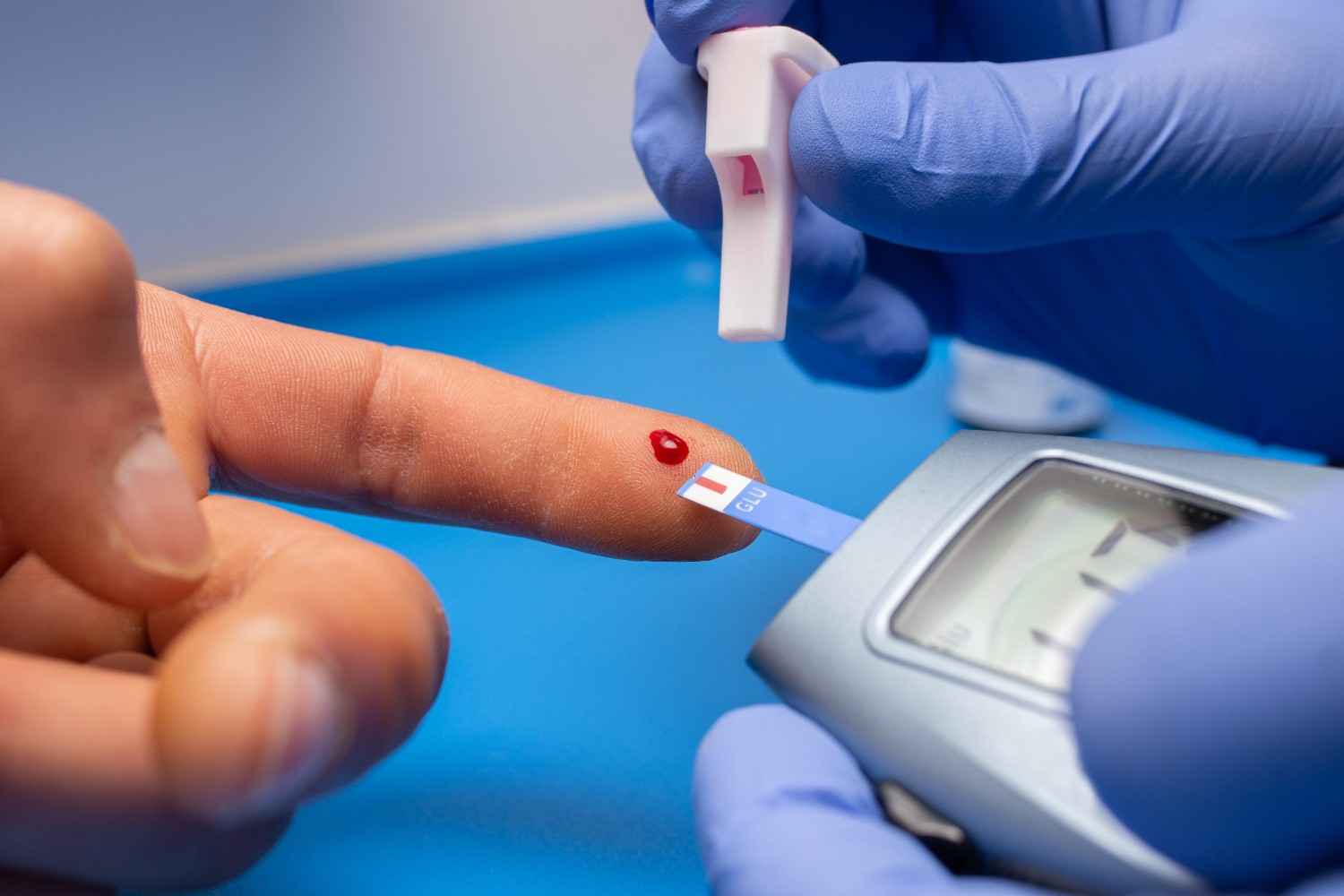
Most people imagine type 2 diabetes begins with a dramatic health scare. In reality, it often starts much more quietly. An extra glass of water at night, slightly blurry vision after long screen hours, or a tiredness that doesn’t go away even after proper sleep.
Many people ignore early symptoms because life is busy. Work stress, long sitting hours, irregular meals, and poor sleep already make us feel tired and sluggish. So it becomes easy to miss the warning signs of rising blood sugar.
This brief guide explains the early signs and symptoms of type 2 diabetes, what prediabetes is, and the key indicators that suggest your blood sugar levels are too high.
Early Signs of Type 2 Diabetes You Should Not Ignore
Let’s talk about what most people actually experience in the early stages.
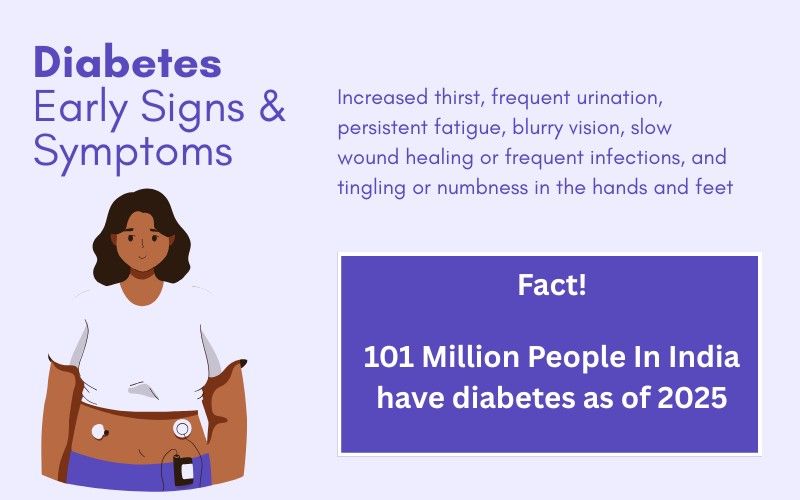
- Frequent Thirst: One of the most common early signs of type 2 diabetes is feeling thirsty much more often than usual. When blood sugar stays high, your kidneys try to remove the extra glucose through urine. This makes you lose more fluid, which naturally increases thirst.
- Frequent Urination: You may notice frequent urination, especially at night.
- Tiredness: Another early and very common complaint is unusual tiredness. Even when enough sugar is present in the blood, the body struggles to move it properly into the cells because of insulin resistance. Your cells are left under-fuelled, and you feel low on energy.
- Eye Problem: Some people also notice blurred vision that comes and goes. High glucose levels temporarily change the fluid balance inside the eye lens, affecting focus. It is often mild and improves once sugar levels come down.
- Slow Healing of Cuts: A sign many people overlook is the slow healing of small cuts. High blood sugar delays tissue repair.
- Frequent infections, especially skin, urinary tract, or repeated fungal infections. Research consistently shows that high blood sugar weakens immune responses.
- Tingling, mild numbness, or burning sensations in the feet and hands can also appear early. These are subtle nerve changes that may start even before diabetes is formally diagnosed.
| Simple way to understand blood sugar numbers: High blood sugar (hyperglycemia) means Your fasting blood sugar is above 125 mg/dL, or Your blood sugar is above 180 mg/dL, 2 hours after eating. Prediabetes = 100–125 mg/dL (fasting) |
These symptoms overlap with many other conditions, and many people with early type 2 diabetes have only one or two of them. That’s why testing is important if you notice persistent changes.
What Is Prediabetes And Why Does It Matter
Prediabetes is a stage where your blood sugar is higher than normal, but not yet high enough to be labelled as diabetes.
Think of it as your body standing at the edge. Prediabetes is strongly associated with future type 2 diabetes. The encouraging part is that this stage is also the most responsive to lifestyle changes. These habits have been shown to significantly reduce progression to diabetes, especially when started early:
- Consistent lifestyle changes,
- Better daily movement and exercise habits,
- Healthier eating patterns, and
- Healthy sleep
- Weight management
- Stress management
This is exactly why recognising the early signs of type 2 diabetes and testing during the prediabetes phase can protect your long-term health.
A Gentle Reality Check Before it Becomes Complicated
Type 2 diabetes does not suddenly appear one morning. It develops slowly, quietly, and often during the same years when people are building careers, managing families, and ignoring their own health.
If your body has been showing you small signals like fatigue, thirst, blurry vision, or slow healing, it is not overreacting. It is simply asking to be heard. A simple blood test, such as fasting glucose and HbA1c, can give you clarity. Knowing your numbers is not a label. It is a tool.
Can Type 2 Diabetes be Reversed?
Type 2 diabetes is not yet medically considered curable. There are some therapies that research claims can reverse diabetes, but they have their own complications. What is absolutely possible is that you can control your blood sugar levels very effectively and slow down or prevent complications through lifestyle changes.
There is a study going on on stem cell therapy that shows promising results in reversing diabetes, especially by improving insulin-producing cells. But at present, nothing is officially approved or established for routine clinical use.
Act Early, Protect Later
Type 2 diabetes is commonly gradual and often silent at first. Recognising the early signs and knowing what prediabetes means gives you control. A simple blood test can confirm where you stand; from there, lifestyle steps and medical advice can protect your long-term health.
FAQs
How is prediabetes diagnosed?
Prediabetes is diagnosed using blood tests such as fasting plasma glucose, HbA1c or an oral glucose tolerance test. These tests are commonly recommended in clinical research and diabetes guidelines.2
Do all people with type 2 diabetes feel the same symptoms?
No. A large number of people have no obvious symptoms in the early phase. That is why routine screening is important, particularly if you have a family history, abdominal weight gain, or a sedentary lifestyle.
What are the big three signs of diabetes?
The big three classic signs of diabetes are:
-Frequent urination – especially waking up at night to pee
-Excessive thirst – feeling thirsty again and again, even after drinking water
-Increased hunger – feeling unusually hungry despite eating normally
These are often called the “3 Ps” of diabetes: polyuria (urination), polydipsia (thirst), and polyphagia (hunger).
References
- Mouri, M., & Badireddy, M. (2023, April 24). Hyperglycemia. StatPearls – NCBI Bookshelf. https://www.ncbi.nlm.nih.gov/books/NBK430900/
- Perreault, L. (2022, March 3). Prediabetes. Endotext – NCBI Bookshelf. https://www.ncbi.nlm.nih.gov/books/NBK538537/




Post Comment