
Coffee can stimulate digestion and bowel movements, and its polyphenols may influence gut bacteria, but it can also upset sensitive stomachs. Here is what research says about coffee and gut health.
What Happens in Your Digestive System After Drinking Coffee?
Coffee contains more than just caffeine. It is rich in bioactive compounds, including polyphenols, that may influence several digestive processes. Once you drink it, these compounds can affect stomach acid secretion, bile production, bowel movements, and the gut microbiome.
A 2022 review found that some of these effects are well established, while others, particularly those involving acid reflux and gut bacteria, require further research.
The Benefits of Coffee for Gut Health

Although coffee can sometimes irritate the digestive system, it may also support certain gut functions. Two areas researchers have explored are bowel movement stimulation and changes in the gut microbiome.
Coffee Stimulates Digestion and Bowel Movements
Have you ever felt the urge to use the bathroom shortly after your morning coffee? There is a scientific explanation for this.
Coffee stimulates the release of certain digestive secretions, including stomach acid and bile, and can encourage movement in the colon. These effects may explain why some people experience a bowel movement soon after drinking a cup.
Interestingly, this response is not entirely dependent on caffeine. Both regular and decaffeinated coffee may stimulate bowel activity, suggesting that other coffee compounds also play a role.
Coffee May Support Beneficial Gut Bacteria
Beyond digestion, coffee may influence the community of microorganisms living in your gut. Its polyphenols may help certain beneficial bacteria grow, though effects can vary by individual.
A 2024 review linked moderate coffee consumption with changes in gut microbiota, including an increase in Bifidobacterium. Another large study associated coffee consumption with Lawsonibacter asaccharolyticus, a bacterial species found in the human gut.
Interestingly, this study also found that coffee drinkers with this bacterium had higher blood levels of three coffee-associated compounds: quinic acid, trigonelline, and caffeine.
However, these findings are still emerging. Much of the available evidence shows associations rather than proving that coffee directly improves gut health. More research is needed to understand how these microbial changes affect digestion and overall health.
The Potential Downsides of Coffee for Your Gut
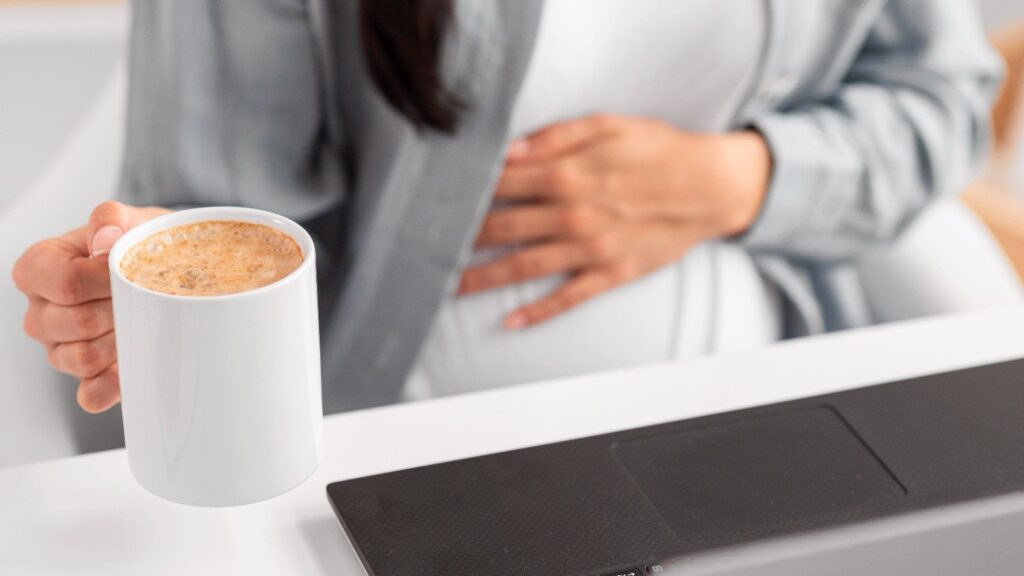
While coffee may benefit certain digestive functions, it does not agree with everyone. Its effects depend on individual tolerance, existing digestive conditions, how much you drink, and even what you add to your cup.
Can Coffee Trigger Acid Reflux?
Coffee may worsen heartburn or acid reflux in some people. It can stimulate stomach acid secretion, and certain studies suggest that it may also affect the lower esophageal sphincter, the muscle that helps prevent stomach contents from flowing back into the esophagus.
However, the relationship between coffee and reflux is not straightforward. A 2022 review found conflicting results across studies, suggesting that coffee does not trigger symptoms in everyone.
Can Coffee Cause Bloating, Stomach Upset, or Diarrhea?
Coffee may cause digestive discomfort in some people, including stomach pain, bloating, or looser stools. Its stimulating effect on bowel movements can be particularly noticeable in people who are sensitive to caffeine or already experience digestive symptoms.
However, coffee is not necessarily the cause of every episode of stomach discomfort. Milk, cream, sugar, and artificial sweeteners added to your drink may also contribute to symptoms.
How to Drink Coffee Without Upsetting Your Gut
If you enjoy coffee but suspect it is affecting your digestion, you may not need to give it up completely. A few simple adjustments can help you understand your tolerance and reduce discomfort.
- Start with a smaller cup and note how you feel.
- Identify triggers, such as an empty stomach or large servings.
- Cut back on syrups and sweeteners.
- Some people pair coffee with a banana to ease coffee and stomach ache, though research on banana and coffee stomach pain is lacking.
- Seek medical advice for persistent symptoms.
Is Coffee Good or Bad for Your Gut?
So, what does coffee do to your gut? For some people, coffee stimulates bowel movements and may influence the growth and composition of gut bacteria. For others, it can trigger heartburn, stomach discomfort, or loose stools.
Current research suggests that coffee can affect gut health in several ways, but it does not establish that drinking coffee is universally beneficial or harmful.
Ultimately, coffee and gut health come down to individual tolerance, quantity, and the symptoms you experience.



Post Comment