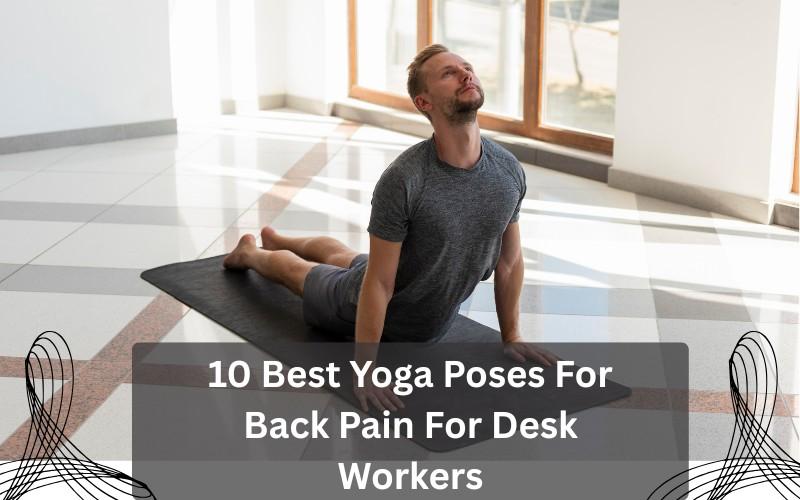
Sitting 9–10 hours, leaning into screens, and skipping breaks can leave you stiff and achy, so if you’ve been searching for yoga poses for back pain, you’re not overthinking it. You’re just listening to your body.
This guide shares the best yoga poses for back pain, explained step-by-step, plus simple desk habits to help you feel lighter and more comfortable every day.
Early Signs of Back Pain from Sitting Too Long
Back pain doesn’t always start as sharp pain. Sometimes it begins as small discomforts. If any of these sound familiar, your body is gently asking for support:
- Stiffness after waking up
- Pain after long laptop sessions
- Heaviness in the upper back
- Neck tightness
- Discomfort while standing up
If you’re noticing these signs, it’s a great time to start. A few minutes of the right yoga stretches and strengthening moves can make your back feel supported again, without needing a full lifestyle overhaul.
Why Long Desk Hours Quietly Raise Diabetes Risk?
Spending 9–10 hours a day sitting slows down muscle activity and reduces how effectively your body uses insulin. Prolonged sedentary time is linked to a higher risk of developing type 2 diabetes, even in people who exercise occasionally.
According to the World Health Organization and the American Diabetes Association, regular movement and reducing sitting time are key to diabetes prevention.
Yoga may also improve HbA1c, blood lipids, and body composition in adults with type 2 diabetes. The yoga poses in this routine support gentle muscle activation, improve circulation, and encourage light-to-moderate physical activity.
Over time, this can help improve insulin sensitivity, reduce stress-related glucose spikes, and support healthier blood-sugar regulation. Making these yoga poses for back pain beneficial for long-term metabolic health also.
Yoga Poses for Back Pain: 10 Best Yoga Asanas
These yoga poses for back pain are perfect for you because they gently release stiffness, improve mobility, and build support where your body needs it most. You don’t have to have flexibility like a gymnast for these.
Marjaryasana–Bitilasana (Cat-Cow Pose)
Why it helps: This is one of the best yoga exercises for back pain because it improves spinal mobility and melts stiffness from long sitting.
How to do it: On all fours, first inhale and arch your back for Marjaryasana (cat pose). Then exhale and round your spine slowly for Bitilasana (cow pose).
- Marjaryasana (Cat Pose)

2. Bitilasana (Cow Pose)

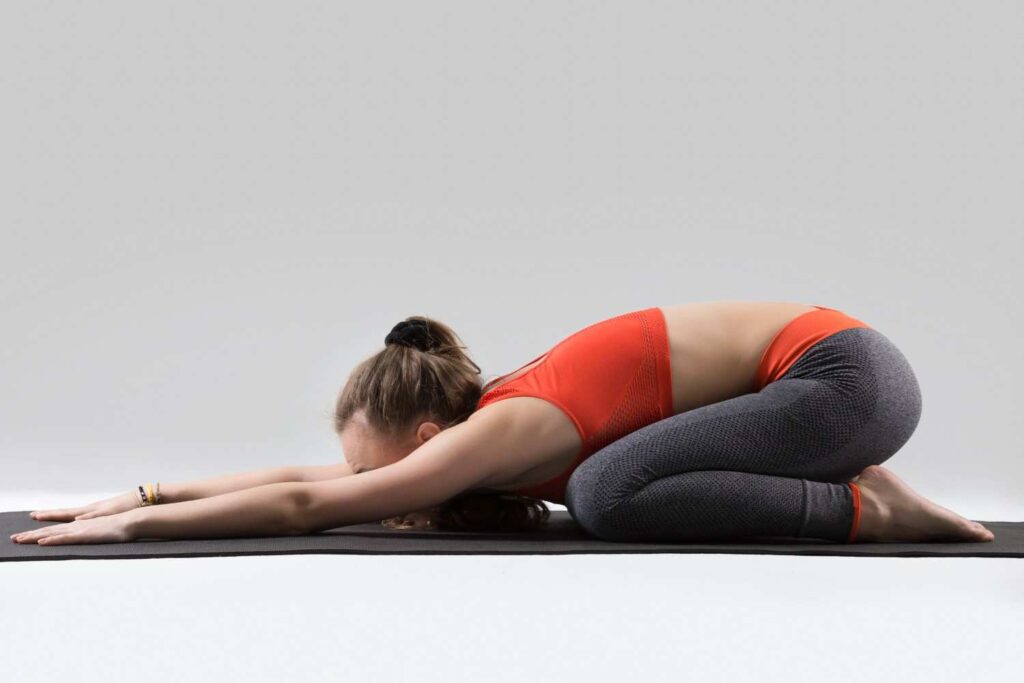
Balasana (Child’s Pose)
Why it helps: A comforting stretch that relaxes the lower back and releases built-up tension, especially after a long laptop day.
How to do it: Sit with your hips back, stretch your arms forward, and breathe slowly and deeply.
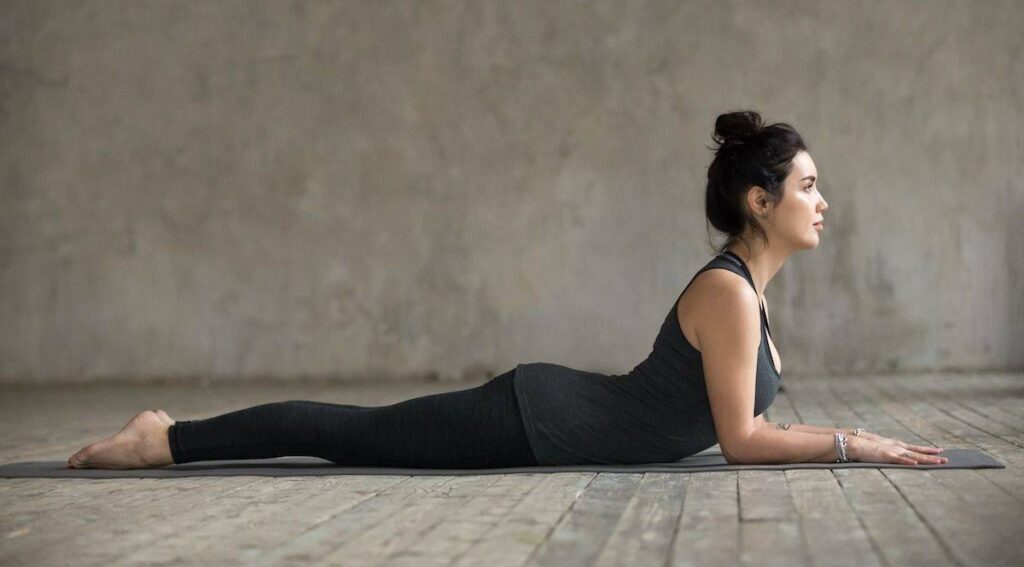
Salamba Bhujangasana (Sphinx Pose)
Why it helps: A gentle backbend that supports your spine without strain, making it great yoga for lower back pain.
How to do it: Lie on your stomach, place your elbows under your shoulders, lift your chest softly, and keep your neck relaxed.
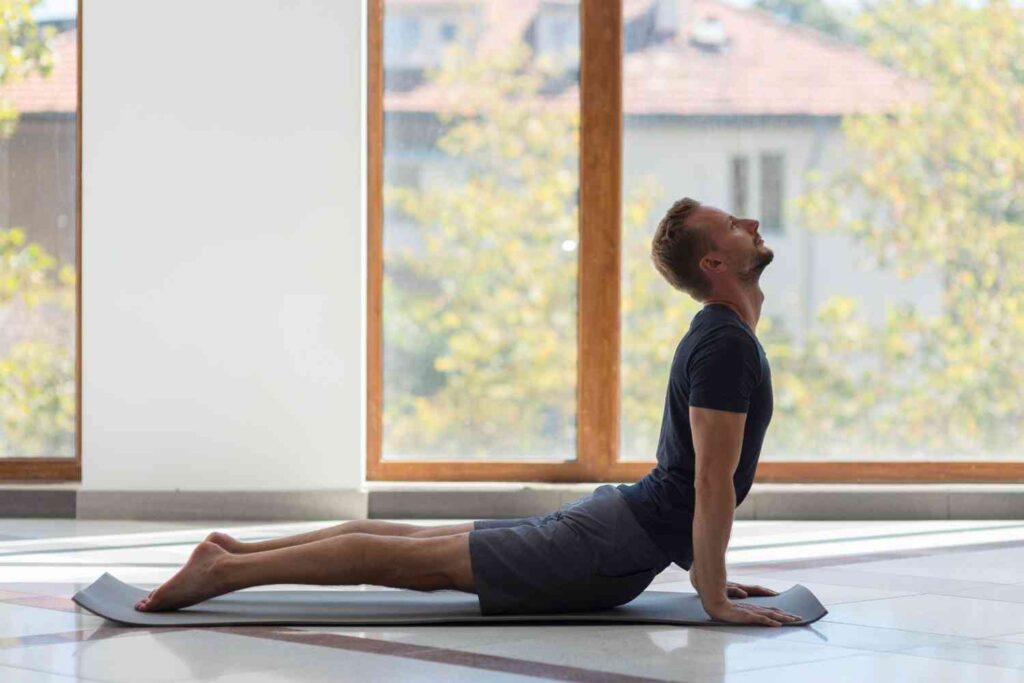
Bhujangasana (Cobra Pose)
Why it helps: One of the best yoga poses for back pain because it strengthens the lower back and counters slouching posture.
How to do it: Lift your chest, keep your shoulders down, and avoid crunching your neck upward.
Adho Mukha Svanasana (Downward Facing Dog)
Why it helps: This pose stretches tight hamstrings and helps decompress the spine, super useful for desk-related back stiffness.
How to do it: Hips up, heels down (bend knees if needed), and lengthen your back.

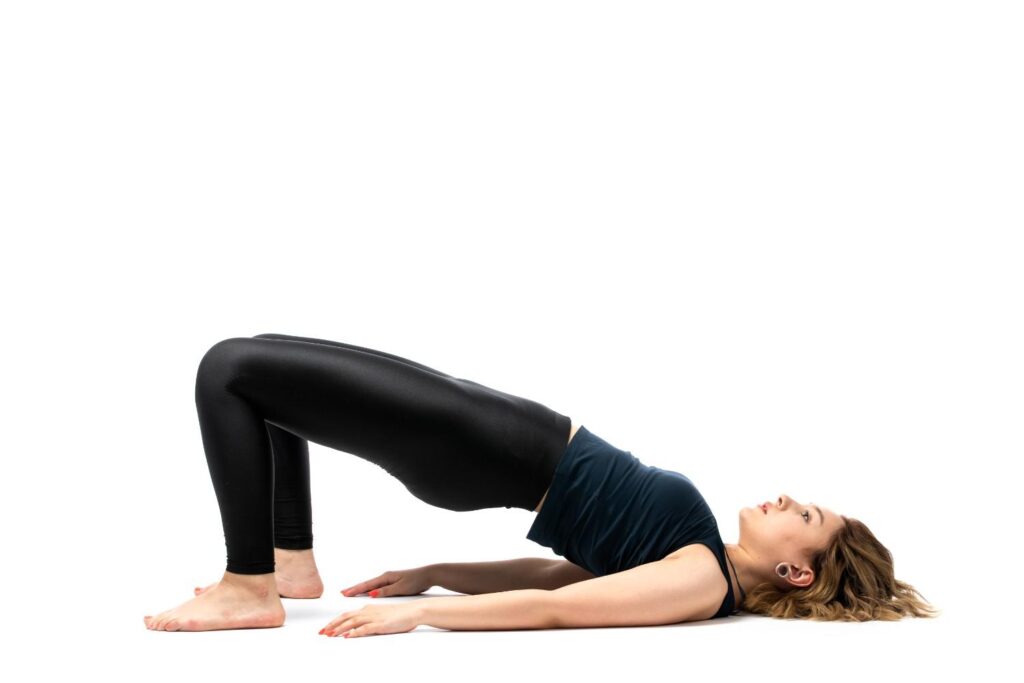
Setu Bandhasana (Bridge Pose)
Why it helps: Strengthens glutes and core, which are key support muscles for back pain relief. One reason it’s often included in the best yoga for back pain routines.
How to do it: Lie down, bend knees, lift hips, keep knees aligned, and breathe steadily.
Supta Matsyendrasana (Supine Spinal Twist)
Why it helps: Releases lower back tightness and improves spinal flexibility, perfect when your back feels stuck.
How to do it: Lie on your back, drop your knees to one side, and keep your shoulders relaxed.

Urdhva Mukha Pasasana (Thread the Needle Pose)
Why it helps: A lifesaver for yoga for upper back pain because it opens the shoulders and upper spine after hours of typing and hunching.
How to do it: From all fours, slide one arm under the other, rest your shoulder, and breathe.

Viparita Karani (Legs Up the Wall)
Why it helps: Calms the nervous system, reduces fatigue, and helps your body recover from a long day of sitting.
How to do it: Legs up, hips close to the wall, arms relaxed, and breathe normally.

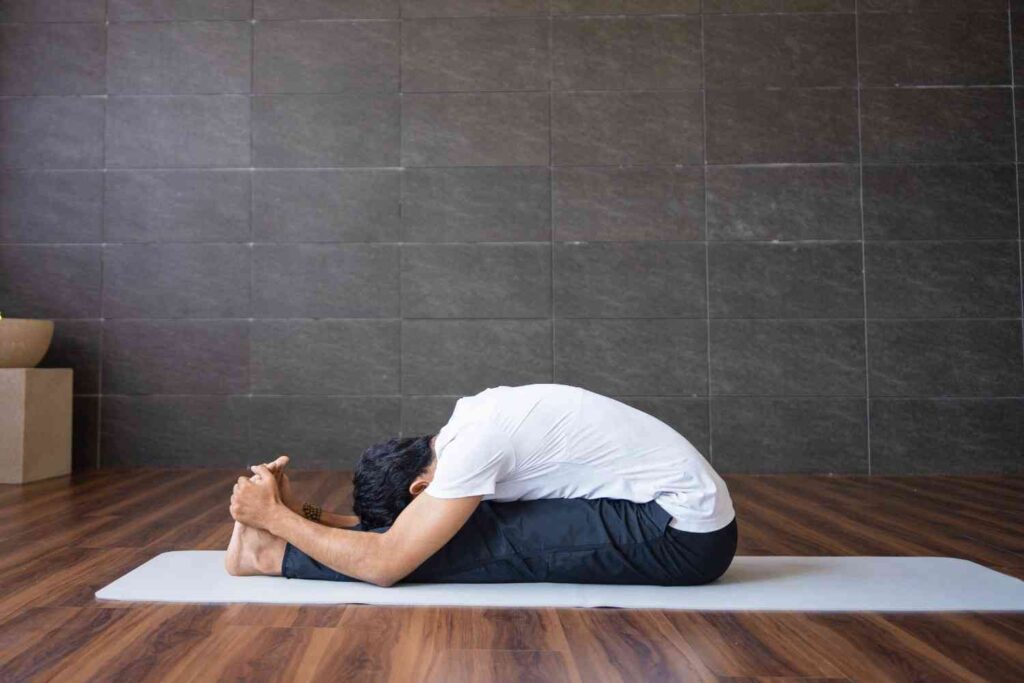
Paschimottanasana (Seated Forward Fold: Gentle Version)
Why it helps: Tight hamstrings can pull on your lower back; this stretch helps reduce that pull and supports yoga for lower back pain relief.
How to do it: Sit tall, hinge from your hips, and fold forward gently; don’t force it.
Benefits of Yoga Asanas for Back Pain
When your day is mostly chair-to-screen-to-chair, your back doesn’t just feel sore, it feels stuck. That’s where yoga asanas for back pain can really help. Studies consistently show that yoga helps relieve chronic low back pain and improves functional movement over time1 2.
What studies suggest yoga can improve:
- Flexibility and mobility of the spine and supporting muscles.
- Posture and spinal alignment through mindful movement.
- Core strength and support for your lower back.
- Stress-related muscle tightness and tension release.
- Chronic lower back discomfort and functional limitations.
Common Mistakes People Make While Doing Yoga Poses for Back Pain
Yoga poses for back pain can feel great, unless small mistakes make your body feel stiffer later. Here’s what to avoid:
- Stretching too aggressively: Go slow. Stiff muscles respond better to gentle movement.
- Holding your breath: Smooth breathing helps your muscles relax and release tension.
- Only stretching, no strengthening: Your back needs support from your core and hips, too. Do some strength training as well.
- Doing yoga once a week: 8–10 minutes daily, works better than being inconsistent.
- Ignoring desk posture: Bad laptop posture can bring the tightness back by evening.
| A small personal note “I’ve been doing Surya Namaskar since childhood, and it’s honestly one reason my posture stayed strong. It’s such a simple morning flow, but it keeps the body open, active, and less stiff”. |
Desk Habits That Reduce Back Pain Along With Yoga
Yoga for back pain works even better when your desk setup stops fighting your spine all day. Because when you do yoga in the morning and then spend 9 hours hunched over a laptop, your back will feel tight again by evening.
These small 5 desk habits will make your workday way kinder to your body:
- Keep your screen at eye level
- Place your feet flat on the floor
- Use lumbar support (even a small cushion) to reduce pressure on your lower spine.
- Take a micro-break every 45–60 minutes
- Go for a short walk after meals
Final Takeaway
Your back pain is not permanent; it’s a pattern. And patterns can be changed without extreme workouts or complicated routines. A few yoga poses for back pain, done consistently, can make your body feel lighter, looser, and more supported through long workdays.
Aim for just 10 minutes daily of these best yoga poses for back pain. Not perfect. Just regular. If this helped, save it for your workweek and share it with someone whose back is also surviving a desk job.
FAQs
Can yoga reduce back pain caused by sitting all day?
Yes. Yoga for back pain can help a lot with desk-job stiffness by improving mobility, posture awareness, and muscle tightness caused by long sitting. When done consistently, it can make your back feel lighter by the end of the day.
How often should I do yoga poses for back pain?
For optimal results, aim for 10 minutes of daily exercise or at least 4–5 days a week. Regular, small practice sessions work better than infrequent, long sessions.
Are these yoga asanas for back pain beginner-friendly?
Yes, these yoga asanas for back pain are generally beginner-friendly and gentle for most people with sedentary lifestyles. Go slow, don’t force deep stretches, and focus on comfortable movement with steady breathing.
When should I stop and consult a doctor?
Stop and get medical advice if you notice:
-numbness or tingling
-sharp, shooting pain
-pain radiating down the leg
-a previous injury history, such as a slipped disc, sciatica, or recent back trauma
If pain is severe, worsening, or doesn’t improve over time, it’s best to get checked before continuing.




2 comments