
If you’re someone who is looking for substitutes for tea or coffee, this guide on herbal tea recipes is for you. Because it’s not always about caffeine, it’s about the habit. That one cup in the morning makes you feel like your day has officially started. That evening sip feels like a break between deadlines, chores, and everything else.
But when your body starts reacting, such as acid reflux, burning sensation, and bloating, it becomes frustrating. You know tea or coffee isn’t helping, yet you still reach for it. This is exactly where herbal tea recipes become your best alternative.
So if you’ve been searching for a way to leave tea and coffee behind, finally, these herbal tea recipes might just be the healthiest door you’ve been waiting to open.
Herbal Teas: Small Sips, Big Support for Lifestyle Health
Lifestyle diseases like type 2 diabetes, heart disease, and obesity are often linked to poor diet, stress, and chronic inflammation. While herbal teas are not a cure, they can be a simple and healthy addition to everyday routines. Many herbal teas contain plant compounds like polyphenols and antioxidants, which may help reduce oxidative stress, one of the key factors behind many chronic diseases.
Swapping sugary drinks for herbal teas can be a small yet meaningful step toward better health. Over time, these small daily habits, like sipping antioxidant-rich herbal beverages, can support overall wellness and healthier lifestyle choices.
How to Make Herbal Tea at Home?
Before we jump into recipes, here’s the simplest method you can use every time you make herbal tea:
- Boil 1.5 cups of water
- Add your herbs/spices (fresh or dried)
- Simmer for 5–10 minutes (depending on how strong you want it)
- Strain into a cup
- Add lemon/honey only if needed (avoid honey in very hot water)
Another way is to let the water boil and then turn off the gas. Add your dried tea and let it steep for 5 to 10 minutes. Strain it and enjoy sip by sip.
Below are practical, everyday herbal tea recipes you can actually fit into your routine.
1. Ginger + Tulsi + Black Pepper Tea
Equal parts of ginger, black pepper, and tulsi have significantly higher antioxidant activity. When consumed together as a warm herbal drink, they can act as a rich natural source of antioxidants, which help protect the body from oxidative stress and support overall health.1
Best for: seasonal changes, throat comfort, warmth
Ingredients:
- 1 inch ginger (crushed)
- 5–7 tulsi leaves
- 1.5 cups water
- Optional: lemon
How to make:
Simmer ginger and tulsi for 8–10 minutes. Strain and sip warm.
Why it works:
- Ginger supports digestion, helps with bloating, and has anti-inflammatory properties.
- Tulsi promotes respiratory health, immunity, and the body’s stress response.
- Black pepper enhances nutrient absorption
2. Turmeric + Black Pepper Herbal Tea
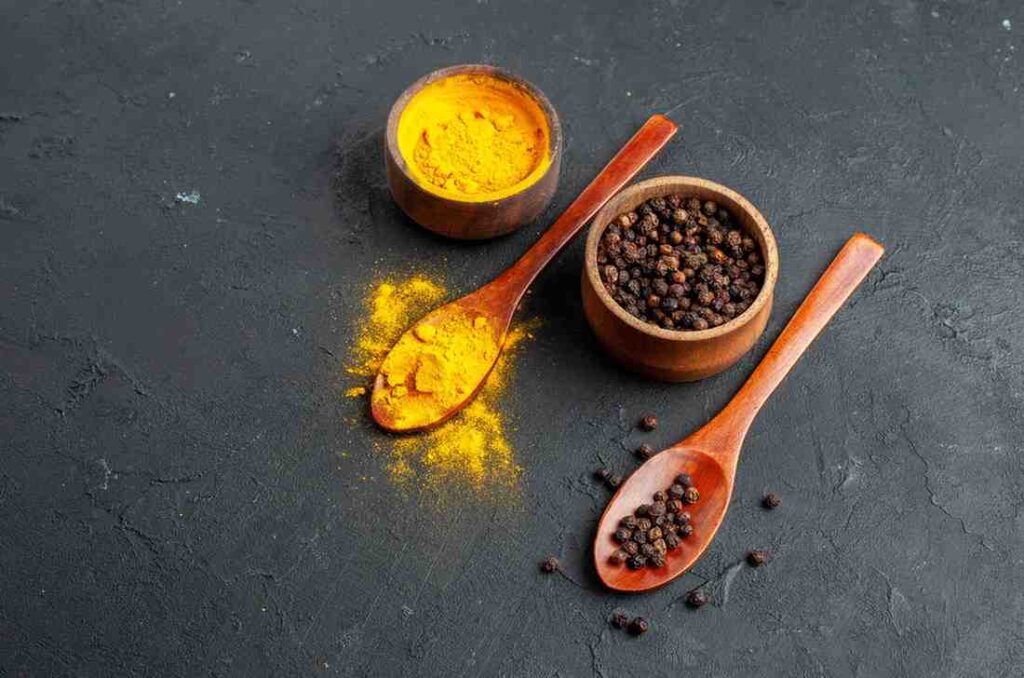
Turmeric and black pepper are known to work better together, as black pepper helps improve the absorption of curcumin, the key active compound in turmeric. This blend becomes a supportive antioxidant-rich drink that may help the body manage everyday oxidative stress and support recovery.
Best for: feeling heavy, low energy days, recovery
Ingredients:
- 1 cup water
- ½ tsp turmeric
- 1 pinch black pepper
- Optional: cinnamon
How to make:
Boil turmeric and black pepper in water for about 5 minutes. Turn off the flame and steep for 1 minute. Strain and sip warm.
Why it works:
- Turmeric supports the body’s natural anti-inflammatory response and provides strong antioxidant support.
- Black pepper improves the absorption of curcumin and supports digestion.
3. Ajwain + Saunf Tea
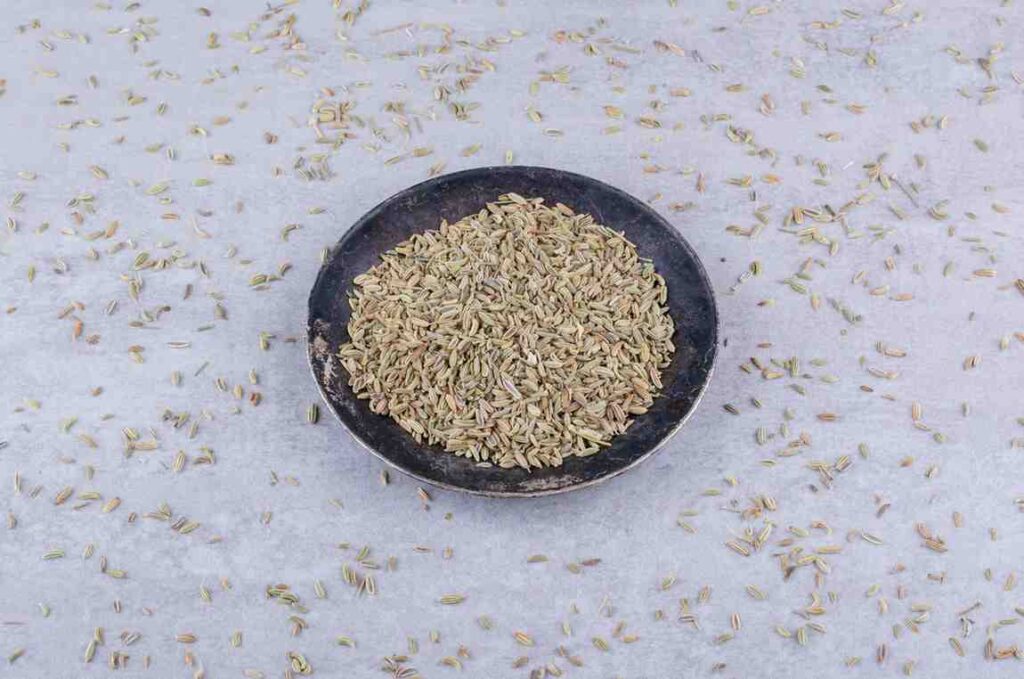
Ajwain and saunf are traditionally used together in Indian households as a simple digestive drink. When prepared as a warm herbal infusion, this combination supports digestive comfort and helps relieve common post-meal discomfort.
Best for: bloating, gas, post-meal heaviness
Ingredients:
- ½ tsp ajwain
- ½ tsp saunf
- 1.5 cups water
How to make:
Simmer ajwain and saunf in water for about 7 minutes. Strain and sip warm.
Why it works:
- Ajwain helps stimulate digestion and may reduce gas and abdominal discomfort.
- Saunf (fennel seeds) supports gut comfort, helps ease bloating, and freshens the digestive system naturally.
4. Lemongrass + Ginger Tea
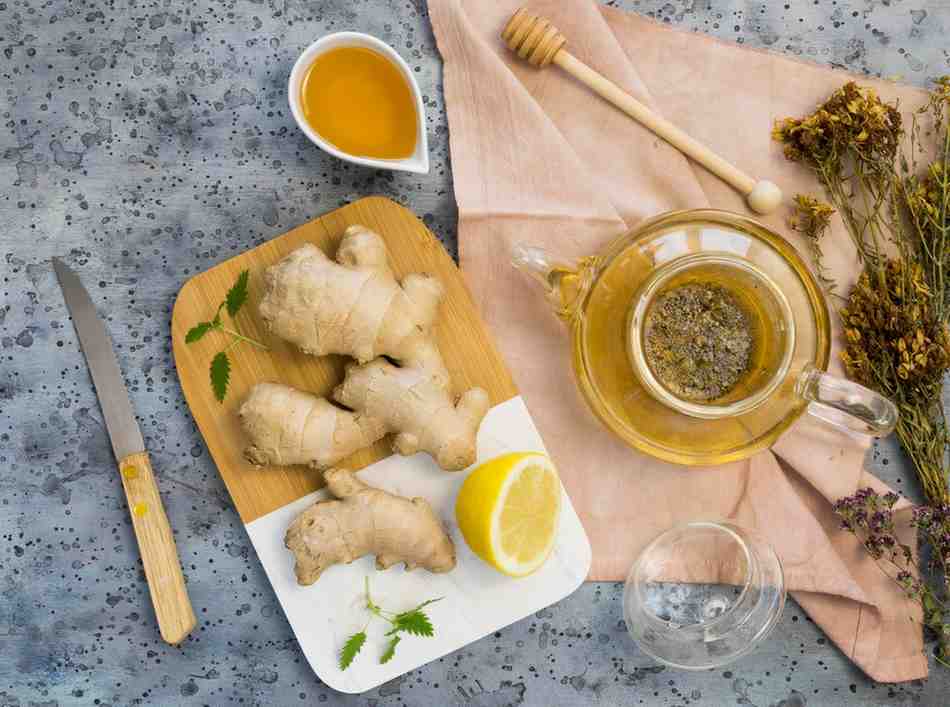
Lemongrass and ginger may help support healthy blood sugar levels and can be useful for people trying to prevent diabetes, those at higher risk, people with PCOS, skin concerns, and low energy or mood issues.2
Best for: digestion, freshness, refreshing taste, and managing diabetes
Ingredients:
- 1 stalk lemongrass (chopped)
- 1 inch of ginger
- 1.5 cups water
How to make:
Simmer 8 minutes, strain.
If you want herbal tea that feels “clean” and calming after a long day, this one is a great pick.
5. Chamomile Herbal Tea
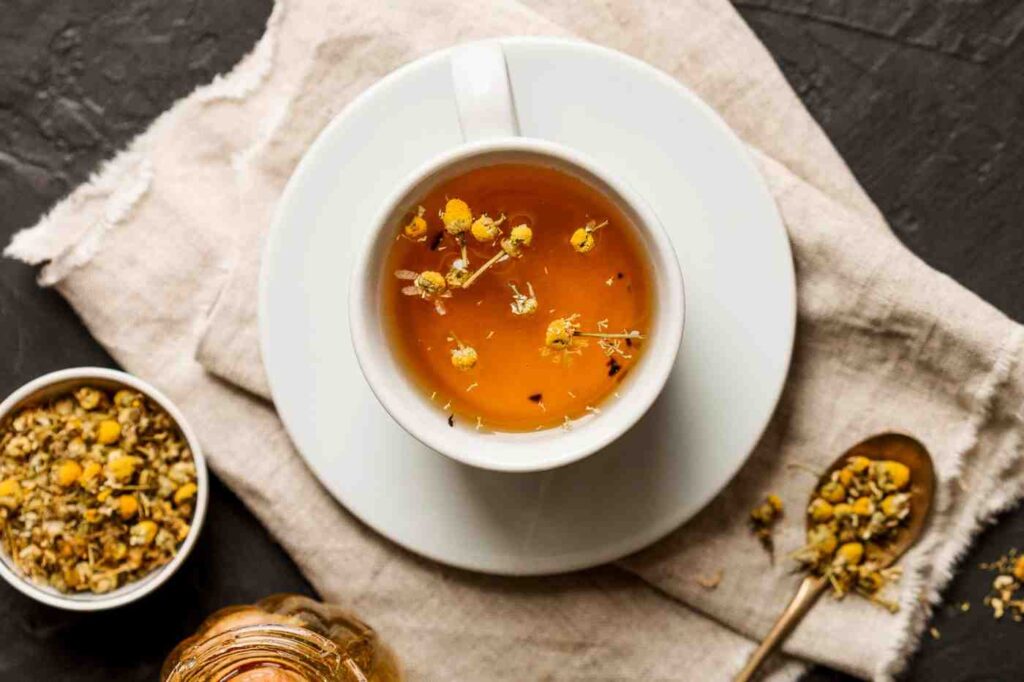
Chamomile is naturally caffeine-free and is widely known for its calming and relaxing properties. It helps the body slow down after a long day, supports better sleep quality, and is often used as a gentle remedy for mild stress, restlessness, and digestive discomfort in the evening.
If you are trying to replace your nighttime tea or coffee with a healthier option, chamomile tea is one of the easiest and safest herbal choices to start with.
Best for: stress, sleep routine, calming evenings
Ingredients:
- 1 tbsp dried chamomile flowers or 1 chamomile tea bag
- 1 cup hot water
How to make:
Steep chamomile in hot water for about 5 minutes. Strain and sip warm.
| My Chamomile Tea Recommendation I recently started drinking chamomile tea regularly, and it has become a simple but comforting part of my evening routine. Over time, I also noticed a gentle improvement in my menstrual comfort, including slightly better flow and reduced discomfort during my cycle after adding this herbal tea to my routine. If you’d like to try it, this is the chamomile tea I use: Buy here: Chamomile Herbal Tea Note: If you’re pregnant or trying to get pregnant, do not drink chamomile tea. |
6. Ayurvedic Herbal Tea Recipes: Jeera + Dhaniya + Saunf
It’s mild, soothing, and works well if you want a herbal tea recipe without strong bitterness. This one is a classic when it comes to Ayurvedic herbal tea recipes.
Best for: digestion, feeling light, post-meal wellness
Ingredients:
- ½ tsp jeera
- ½ tsp dhaniya seeds
- ½ tsp saunf
- 1.5 cups water
How to make:
Simmer for 8–10 minutes, strain, and sip warm.
Herbal Tea Bags vs Fresh Herbal Tea: Which Is Better?
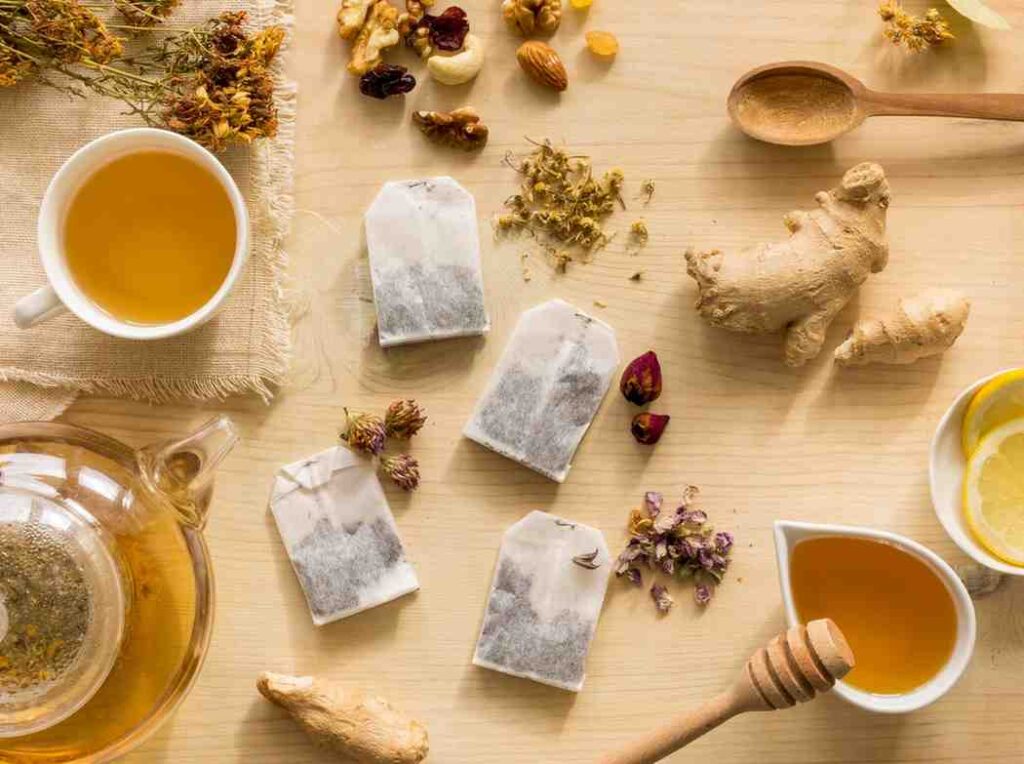
If you’re choosing between fresh ingredients and herbal tea bags, here’s the simple answer:
- Fresh herbal tea = stronger aroma, more control, feels homemade
- Herbal tea bags = convenient, travel-friendly, consistent taste
Both work well. If you’re busy, tea bags are a smart option. Just check the ingredient list and avoid blends loaded with artificial flavoring.
| Quick ‘Pick Your Tea’ Guide Not sure which herbal tea to start with? Use this: Feeling bloated? Try Ajwain + Saunf tea Stressed and restless? Try Chamomile herbal tea Want a daily wellness cup? Try Tulsi + Ginger tea Craving something warm and cozy? Try Cinnamon + Clove tea |
Make Herbal Tea Your Daily Reset
Besides being a delicious and caffeine-free alternative, many herbal teas contain compounds that help support healthy blood sugar levels. Making them a soothing and potentially beneficial drink choice for people managing or looking to prevent type 2 diabetes.
These Herbal tea recipes are easy, budget-friendly, and genuinely comforting when life feels too fast. Start with one recipe, keep it consistent for a week, and notice how your body responds. Because health doesn’t always have to be complicated. Sometimes, it just needs warmth, time, and a little intention.
Do tell me in the comments if you have tried any of these herbal tea recipes!
FAQs
1. Which herbal tea is best for night?
Chamomile herbal tea is one of the best options for a calm bedtime routine.
2. Are herbal tea bags healthy?
Yes, if the ingredients are clean and the blend doesn’t include artificial flavoring or excess additives.
3. Herbal tea price: What should you expect?
In general, basic ingredients are already there in your kitchen and are affordable. Herbal tea prices mainly depend on ingredient quality, the type of herbs used, and whether you choose loose blends or tea bags. Most kitchen-based herbal teas are affordable, while green or white tea and premium flower blends may cost more due to sourcing and packaging.
4. Is Green Tea Herbal Tea?
No. Green tea is not a herbal tea. It comes from the Camellia sinensis plant and naturally contains caffeine. Herbal tea is made from herbs, flowers, spices, or roots such as chamomile, tulsi, ginger, or fennel, and is usually caffeine-free.
Reference
- Christy, C., Puteri, M. D. G., & Marpaung, A. M. (2022). Lemongrass and ginger potency for blood glucose control. Advances in Biological Sciences Research/Advances in Biological Sciences Research. https://doi.org/10.2991/absr.k.220101.044
- Shreya Ray, Umme Hassanat, and Rinku Saha. (2021). Synergistic Activity of Tea with Some Common Medicinal Plants: A Review. Indian J. Applied & Pure Bio. Special Vol. 2(1): 194-199




Post Comment